Song Meaning
The lyrics paint a stark contrast between a past state of spiritual desolation and a present, transformative salvation. The opening lines immediately establish a sense of profound relief and wonder, describing a "sound oh so sweet" that delivers this grace. This sets the stage for a narrative of profound personal change, moving from a state of being utterly lost and without sight to one of being found and able to perceive.
The central tension lies in the speaker's self-assessment as a "wretch" who has been saved by this overwhelming divine favor. The repetition of "I once was lost, but now I'm found" and "Was blind, but now I see" emphasizes the radical nature of this transformation. It's not a gradual improvement but a complete reversal of fortune, a rescue from a state of utter spiritual destitution.
The craft hinges on simple, powerful antitheses and direct declarations of faith. The core of the message is built on pairs of opposing states: lost/found, blind/see. The lyrics attribute this seismic shift directly to "grace," which is presented as an active force that "taught my heart to fear" (perhaps a reverential fear of God) and "relieved" the speaker's fears. The "hour I first believed" is pinpointed as the moment this precious grace became apparent, marking the definitive turning point.
What makes these lyrics resonate is their unvarnished depiction of profound relief and gratitude. The speaker doesn't overcomplicate the experience; they simply state the before and after, attributing the miraculous change to an external, benevolent force. This directness, coupled with the powerful imagery of being lost and blind then found and seeing, creates an accessible and deeply felt expression of spiritual redemption.
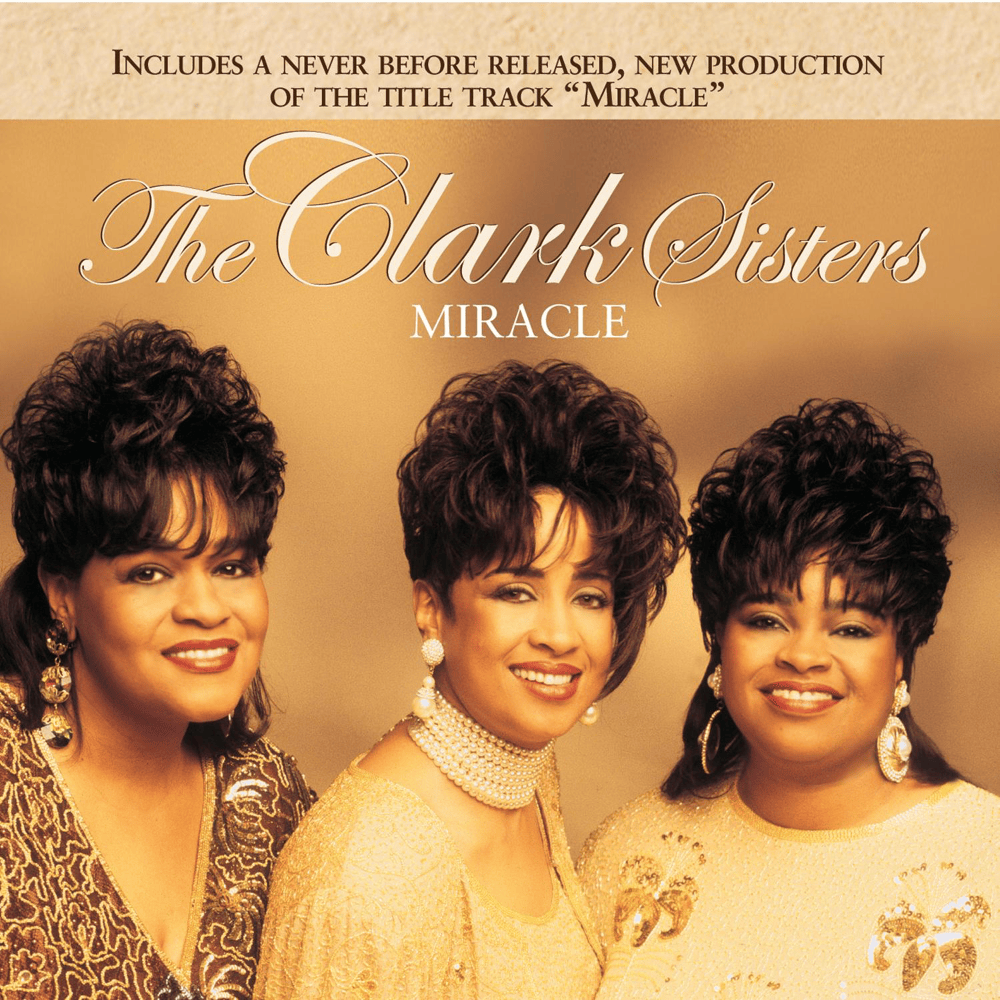
 View Artist