Song Meaning
The lyrics paint a stark picture of regret and the harsh light of realization, set against a backdrop of fading opportunity. The opening lines, "Beyond the city, and evening dust / Dreams and thunder rattle the rust," immediately establish a mood of decay and forgotten potential. There's a sense of finality, as if a significant moment or chance has passed, leaving behind only the "rust" of what could have been. The repeated phrase, "You had an idea that you won't have again," underscores this irreversible loss.
The central tension lies in the contrast between past abundance and present desolation. The narrator reflects on a "lifetime spent in the sun" and "hundreds of chances," all squandered. The imagery of "Dice rolled, double six, double six, double six" suggests a period of extreme luck or perhaps reckless abandon that ultimately led to ruin, making the speaker an "Owner of trouble." This is juxtaposed with the grim present, where "She's forgotten your name and hopes you'll do the same," signifying a complete erasure from someone's life and memory.
The most striking lyrical device is the cyclical and destructive imagery of fire and its aftermath. The phrase "Start of the ash, and the end of the flames" is repeated, emphasizing a transition from intense activity or passion to cold, lifeless residue. This process is described as "Burning you turning you," suggesting a transformative experience that is both consuming and destructive, leaving the subject irrevocably changed. The arrival of "Monday morning" serves as the ultimate catalyst, where "the cracks become quite clear," forcing an unwelcome confrontation with reality.
This song resonates because it captures the universal sting of missed opportunities and the painful clarity that often follows a period of delusion or unchecked momentum. The specific, almost gritty details like "flesh blood and bricks" ground the abstract feelings of regret in a tangible, human experience. The desperate plea, "Oh Monday morning, take me back, leave me hare," reveals a profound yearning to undo the past, a sentiment amplified by the relentless, unyielding arrival of the new day that offers no escape.
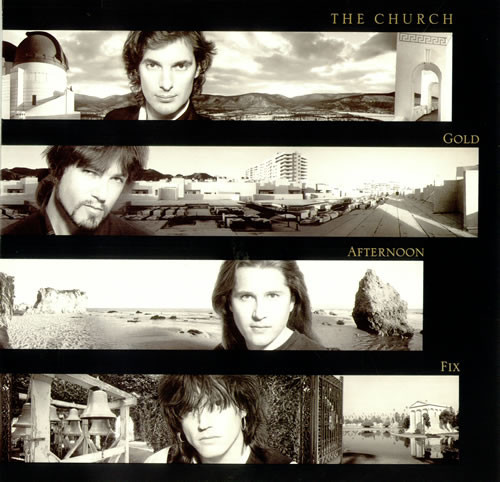
 View Artist