Song Meaning
The lyrics paint a stark picture of pervasive mockery, with the act of "laughing" serving as a constant, almost inescapable, auditory backdrop. The repetition of "laughing at you anyway" and "laughing at you every day" establishes a relentless cycle of ridicule that seems to follow the subject through different times of day – five o'clock, eight o'clock, and twelve o'clock. This temporal progression suggests that the taunting isn't confined to a single moment but is a continuous experience.
The central tension arises from the contrast between the external judgment and an internal, perhaps resigned, understanding. The line "I understood before I knew" hints at a precognitive awareness of this predicament, while "I realized I'd spend my life coming back to you" suggests a deep, possibly inescapable, connection to the source of this torment. The "building of the mirrors" at twelve o'clock introduces a surreal, self-confrontational element, where even one's own reflection "he's laughing," amplifying the feeling of being universally judged.
The most striking craft element is the personification of the "elongated twin" in the mirror, who also participates in the "laughing." This isn't just external criticism; it's internalized self-deprecation or a fractured sense of self that echoes the external mockery. The "slow poison from a tiny little wound" at eight o'clock is a potent image, suggesting that the constant laughter, though seemingly minor, inflicts deep, cumulative damage.
These lyrics hit hard because they capture the isolating experience of feeling perpetually judged, not just by others, but by oneself. The simple, repetitive structure of the chorus, combined with the stark imagery of shadows, lamplight, and mirrors, creates a claustrophobic atmosphere. It's the feeling of being trapped in a loop of humiliation, where escape feels impossible and even self-reflection offers no solace, only more laughter.
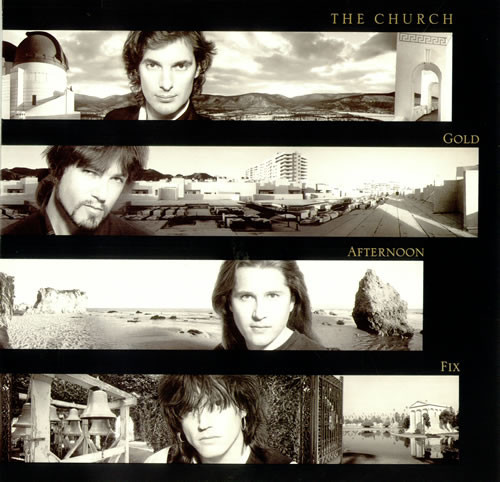
 View Artist