Song Meaning
The lyrics paint a bleak, almost dystopian picture of the year 2054, where technological advancement and societal decay go hand-in-hand. The narrator observes a world that's "getting insane" and "warming up," suggesting environmental and social crises are escalating. This future is characterized by a stark contrast between immense digital activity – "a trillion streams in a millisecond" – and personal financial hardship, with the narrator earning "about three cents" and their "guitar is still in hock." The digital age has brought "a trillion dreams in the human cloud," yet paradoxically, it leaves us "with no defense" and a loss of fundamental human connection, like "the lost art of forgiving."
The central tension lies in the overwhelming scale of modern existence versus individual powerlessness. The sheer volume of digital data, "a trillion streams" and "a million minds," is juxtaposed with the narrator's inability to benefit from it or even find a sense of time, as they "just can't find a clock." This disconnect highlights a feeling of being adrift in a hyper-connected yet isolating future. The lyrics suggest a world where traditional values and even basic order have eroded, leading to a state of "all crime and no more law."
A striking element is the recurring phrase "Meanwhile, in 2054," which acts as a detached observation point, contrasting the narrator's present reality with this imagined future. The lyrics also play with the idea of spiritual or existential malaise, questioning "the art of prayer or start talking to the air," and noting that "your karma runneth over my cup." This implies a sense of cosmic imbalance or a breakdown in moral accountability, especially when paired with the assertion that the escalating problems are "ain't no one's fault."
Ultimately, these lyrics resonate because they tap into anxieties about the pace of change and the potential consequences of our current trajectory. The vivid, if bleak, imagery of a technologically saturated yet spiritually bankrupt future, where immense digital wealth translates to personal poverty and societal breakdown, creates a powerful, cautionary vision. The repeated, almost chant-like refrain of "Two thousand fifty-four" underscores the inevitability and grim finality of this imagined world, leaving the listener with a profound sense of unease.
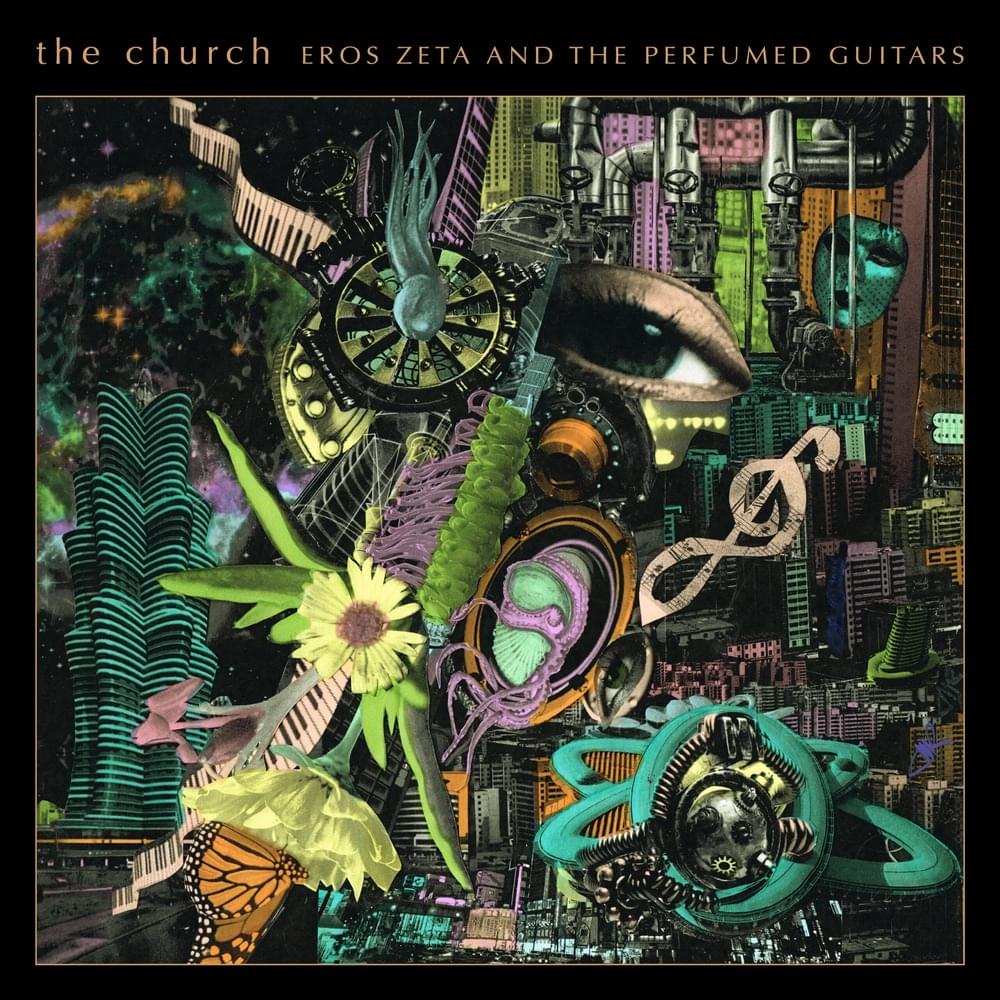
 View Artist