Song Meaning
The narrator opens with a stark "Sorry," immediately establishing a tone of regret for leaving someone to have fun alone. This sets up a narrative of attempted reconciliation, framed by promises of future actions like painting a hallway and atoning. The urgency is palpable, tied to the impending arrival of "old man winter," which serves as a metaphor for a harsh, unforgiving period, perhaps loneliness or hardship.
The core tension lies in the repeated, almost desperate, assertion "I don't mean any harm." This phrase, juxtaposed with the narrator's actions and the other person's distress, creates a profound disconnect. The narrator claims good intentions – wanting to keep the other person's feet warm with heated stones under the sheets, promising to kiss and hold them tight – yet these gestures seem to follow or coincide with causing sadness and loneliness. The lyrics suggest a deep-seated inability to understand the impact of their actions, or perhaps a self-deception where their definition of care is misaligned with the recipient's needs.
The most striking craft element is the recurring image of preparing heated stones for cold feet, directly linked to the fear of winter's chill. This concrete, almost primal act of providing warmth is presented as the narrator's primary way of showing love and care. However, it’s framed within a context of the other person crying and feeling blue, highlighting a fundamental failure in communication or empathy. The narrator’s heartfelt declaration that their love is "true" feels tragically insufficient when contrasted with the emotional coldness they seem to inflict.
Ultimately, these lyrics resonate because they capture the painful gap between intention and impact. The narrator’s earnest desire to provide comfort and warmth is undermined by their apparent obliviousness to the emotional harm they cause. The repeated, simple refrain "I don't mean any harm" becomes a heartbreaking admission of a flawed understanding of love and connection, leaving the listener to ponder the nature of genuine care versus well-intentioned but misguided actions.
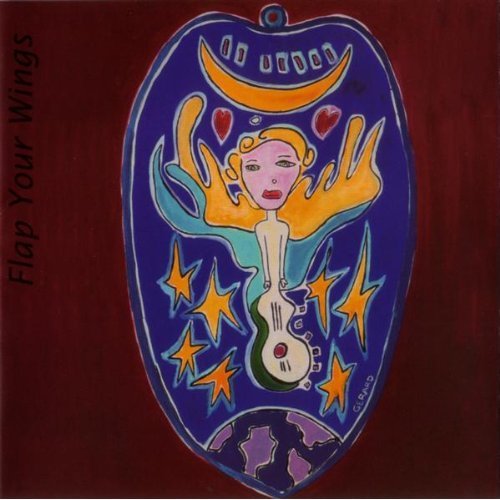
 View Artist