Song Meaning
The lyrics paint a picture of a weary individual seeking solace, perhaps from a past disappointment. The arrival of a "soul saver" is presented not as a grand event, but as something mundane, "on your record player," covered in "dust." This suggests that the expected salvation is perhaps less about a divine intervention and more about finding comfort in familiar, even neglected, things. The narrator offers a contrast to a "broken leader," positioning themselves as a more palatable, albeit imperfect, alternative, willing to accept both the good and the bad.
The central tension lies in the narrator's persistent, almost insistent, invitation to engage with life and sensation, despite the other person's apparent inertia or withdrawal. The repeated phrases "Don't kick it, I wanna keep it" and "Don't feel it, I wanna drive" highlight this push-and-pull. The narrator wants to preserve a moment or feeling, while the other person seems to be shutting down or resisting. This is further emphasized by the imagery of being "lyin' there" with "no reply in the sand, in the mud," suggesting a state of stagnation or emotional paralysis.
The most striking craft element is the recurring motif of "the sunshine of your life." This phrase is repeated with increasing intensity, acting as an anchor for the narrator's plea. It’s juxtaposed with the idea of "rust" and being "down when you leave," implying that this "sunshine" is a vital element being neglected. The repetition, especially in the latter half, transforms it from a simple statement into an urgent, almost desperate, call to recognize and embrace what is good and present.
Ultimately, the effectiveness of these lyrics stems from their grounded, almost conversational, appeal to a shared human experience of seeking comfort and connection amidst disillusionment. The narrator’s offer isn't one of perfection, but of presence and a willingness to navigate the complexities of a relationship or a moment. The persistent questioning, "Can you feel it when it's right?" and "Can you feel what's goin' on?" invites the listener, and the subject of the song, to actively participate in recognizing and appreciating the positive, even when it arrives in a "country, country song" kind of way.
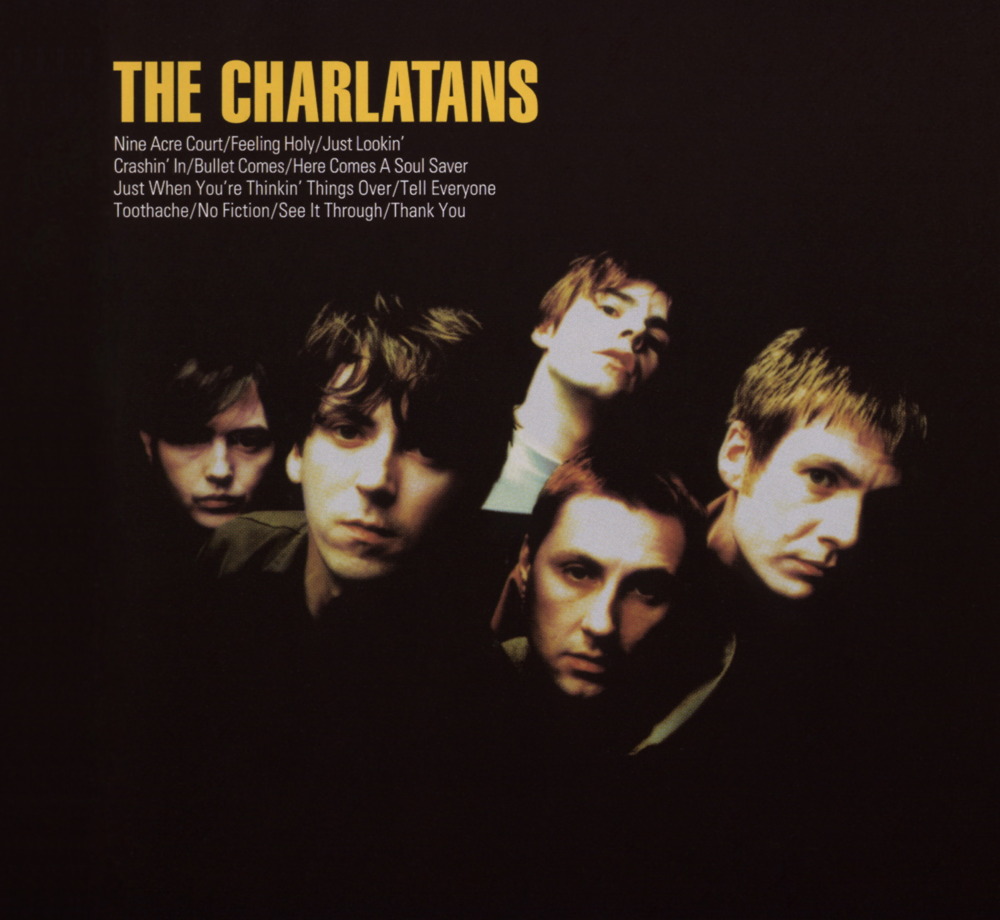
 View Artist