Song Meaning
The lyrics paint a picture of someone utterly consumed by love, to the point of losing control. The opening lines immediately frame love as a formidable obstacle, a "hurdle at which greater men have fallen," suggesting a sense of impending doom or inevitable defeat. This isn't a gentle affection; it's an overwhelming force that "steals my mind" and manipulates the narrator.
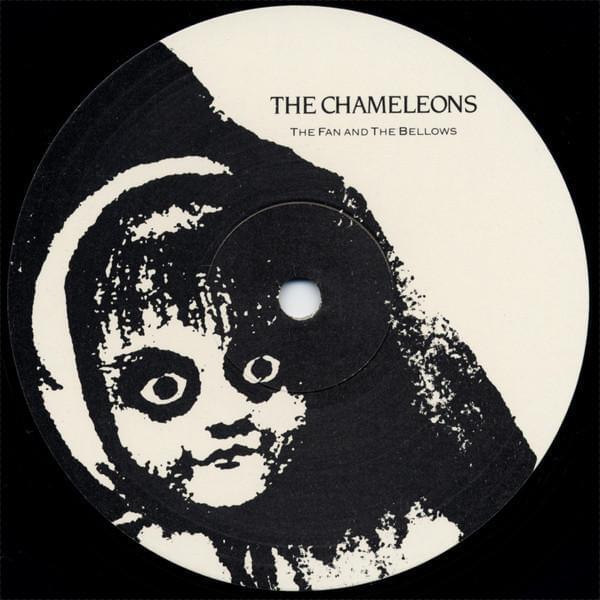
The central tension lies in the narrator's paradoxical embrace of this destructive force. The chorus declares, "Only love can bring me down," a statement that sounds like surrender but also a strange kind of acceptance. The repeated phrase "I've become the fan and the bellows" is a striking metaphor for this state. A fan and bellows both serve to intensify fire, suggesting the narrator is now an instrument of their own emotional combustion, fanning the flames of love or being blown about by its heat.
The imagery of "the cupid masturbates" in the second verse adds a layer of cynical detachment to the romantic ideal. This isn't a benevolent cherub; it's a detached, almost vulgar force blindly inflicting pain, shooting the narrator "in the back" during "shooting season." This reinforces the idea that the narrator feels targeted and helpless, caught in a cycle of love that feels more like an assault than a connection.
Ultimately, the lyrics resonate because they capture the disorienting and all-consuming nature of intense infatuation. The narrator's transformation into "the fan and the bellows" powerfully conveys a loss of agency, where love becomes both the source of passion and the agent of their downfall. It's a raw depiction of being so deeply affected by another that one's own identity seems to blur into the intensity of the feeling itself.
 View Artist