Song Meaning
The lyrics paint a vivid picture of a past romance, tinged with regret and the bittersweet ache of memory. The narrator recalls learning Spanish from a girl in Sonora, a language that becomes intrinsically linked to her and their shared moments. He finds himself repeating her Spanish endearments, "Mi amor, mi corazón," even long after their time together has ended, suggesting the profound impact she had on him. The setting itself, with its "moonlight on the patio" and hushed conversations, evokes a sense of intimacy and youthful secrecy.
The central tension lies in the forced separation and the narrator's inability to return. He explicitly states, "I can't cross the line, you know," referencing a "gamblin' fight" that has made him a wanted man. This external circumstance creates an insurmountable barrier, preventing any potential reunion. Despite acknowledging that "it's better so," a clear indication of the trouble he's in, the narrator admits to a persistent longing, a "kind of missed her."
The most striking element is the poignant shift in the final phrase. The tender "Mi amor, mi corazón" of their shared past transforms into the final, sorrowful farewell, "Adiós, mi corazón." This single word change, "adiós" replacing "mi amor," encapsulates the finality of their parting and the narrator's own sense of loss. He concludes, "I left her heart and lost my own," a powerful metaphor for the emotional cost of their separation, where both individuals suffered a profound heartbreak.
This lyrical narrative is effective because it grounds a universal theme of lost love in specific, evocative details. The contrast between the soft "loving tongue" of Spanish and the harsh reality of the narrator's fugitive status creates a compelling emotional landscape. The repetition of "mi corazón" – first as an endearment, then as a farewell – underscores the depth of the narrator's enduring regret and the indelible mark the girl left on his soul.
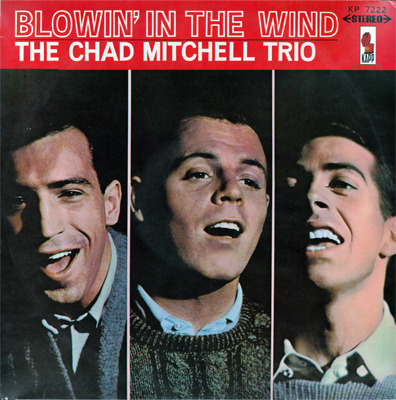
 View Artist