Song Meaning
The narrator is caught in a cycle of trying to end a relationship with someone who still clearly loves them. The lyrics paint a picture of someone young and full of easy dreams, making the narrator feel a sense of guilt or responsibility. Despite their attempts to communicate that it's finished, the other person's persistent affection, vividly seen in their eyes, acts as a powerful, almost physical barrier to the narrator's resolve. This internal conflict is palpable, as the narrator acknowledges the ease with which the other person chases dreams, contrasting it with their own difficulty in letting go.
The central tension lies in the narrator's struggle between their stated desire to end things and their undeniable pull back towards the relationship. The phrase "it's over" is repeated, highlighting the narrator's intention, but it's immediately undercut by the observation that "it ain't over for you." This creates a dynamic where the narrator's will is constantly being challenged by the other person's unwavering affection, making the act of leaving feel like a betrayal of that love.
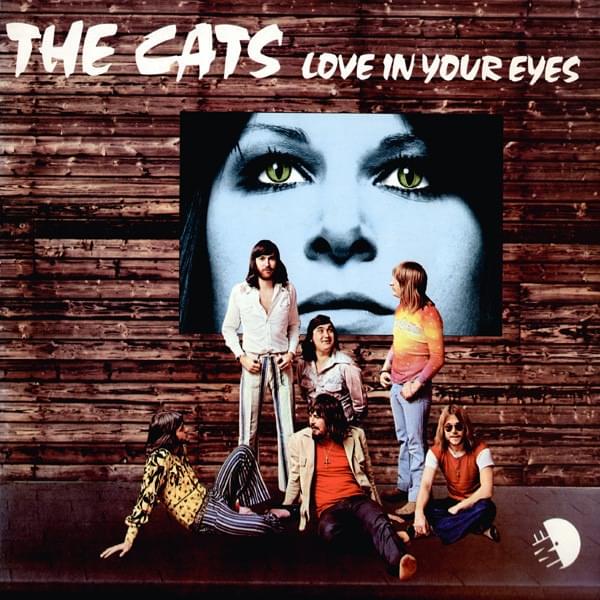
The most striking element is the recurring image of "love in your eyes." This isn't just a metaphor; it's presented as an active force, a tangible presence that "stands in my way" and "calling me back." The repetition of "I start falling" emphasizes the involuntary nature of the narrator's relapse, suggesting they are not simply choosing to stay but are being drawn back by an irresistible emotional current. The contrast between the narrator's stated intention and the overwhelming visual evidence of the other's love is the engine of the song's emotional weight.
Ultimately, these lyrics resonate because they capture the painful difficulty of ending something when one person still holds onto hope and love so visibly. The narrator's internal battle, fueled by the undeniable sincerity in the other's gaze, makes the decision to leave feel almost impossible. The writing effectively uses the simple, direct language of "easy" and "love in your eyes" to convey a complex emotional stalemate, making the listener feel the narrator's own conflicted heart.
 View Artist