Song Meaning
The lyrics paint a stark picture of brutal conflict and suffering, immediately establishing a tone of grim desperation. The opening lines, "Por Dios Ellos Matan - guerra y odio" (For God They Kill - war and hate), set a scene where violence is justified by faith, yet the narrator counters that "Matar es Un Pecado" (Killing is a Sin). This immediate contrast highlights a profound hypocrisy, suggesting that religious fervor is a mask for destructive actions, as "Por la Iglesia no importa" (For the Church it doesn't matter).
The central tension revolves around systemic violence and indifference. The repeated phrase "A Masacre - Nadie le importa" (A Massacre - Nobody cares) underscores a feeling of profound abandonment and dehumanization. The lyrics describe a cycle of torture, death, and exploitation, where "Balacear Es La Manera del Hombre" (Shooting is the Way of Man), implying that violence is an ingrained, almost natural, human behavior in this context. The narrator questions "Quien Sera Siguiente?" (Who Will Be Next?), amplifying the pervasive fear and uncertainty.
One of the most striking aspects of the writing is the relentless cataloging of horrific acts, juxtaposed with a desperate call for action. Descriptions like "Enterrado Vivo" (Buried Alive) and "Quemado y Colgado" (Burned and Hanged) create visceral images of suffering. Yet, this despair gives way to a defiant cry: "Hay que Luchar Para que no nos abusen" (We must fight so they don't abuse us) and "Hay que unirnos para que nos den libertad" (We must unite so they give us freedom). This shift from passive victimhood to active resistance, encapsulated in the final "Ahora!" (Now!), is the core of the song's emotional arc.
This lyrical approach is effective because it forces the listener to confront the brutal reality of unchecked violence and the profound apathy that often surrounds it. By presenting a raw, unvarnished account of suffering and then pivoting to a powerful demand for liberation, the lyrics create a potent emotional impact. The directness of the language, devoid of complex metaphor, makes the message of resistance feel urgent and earned, resonating with a deep-seated human desire for dignity and freedom in the face of oppression.
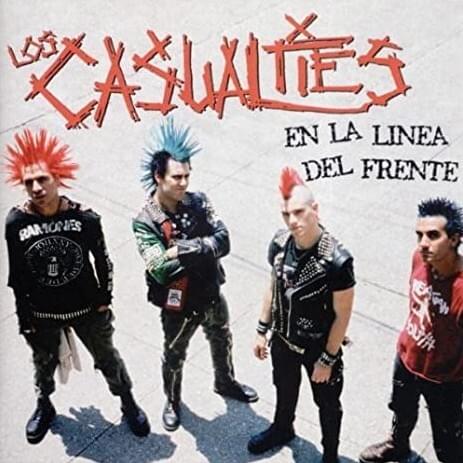
 View Artist