Song Meaning
The lyrics paint a raw, visceral picture of escalating rage, fueled by a perceived onslaught of external negativity and control. The opening lines immediately establish a sense of pervasive conflict, with a violent desire for retribution. This aggression is then contextualized by a feeling of constant external pressure, from school and work to parental criticism, all framed as attempts to dictate thought and action. The narrator's response is a defiant call for independent thought, a desperate plea to break free from this suffocating environment.
The central tension lies in the narrator's embrace of the very negativity they decry. The repeated assertion, "I fucking love this hate," and "I love this anger in my head," suggests a complex relationship with aggression. It's not just a reaction to the world's "destruction and hate," but something actively cultivated and even enjoyed. This embrace seems to stem from a feeling of powerlessness, a way to assert agency in a world where they feel constantly attacked and belittled, particularly for their identity as a "punk."
The most striking aspect of the writing is its unvarnished, almost nihilistic embrace of anger. The repetition of "Destruction and hate" and the visceral, confrontational language like "blood on your face" and the repeated expletives, create an overwhelming sense of cathartic release, however destructive. The shift from being told what to do to actively reveling in hate and anger highlights a descent into a self-perpetuating cycle of rage, where the external "crap" becomes internalized and amplified.
This lyrical approach is effective because it bypasses nuance for pure emotional expression. It taps into a primal frustration with authority and societal pressures, offering a brutal, unapologetic outlet. The raw language and confrontational tone create an immediate, almost physical impact, mirroring the intensity of the anger it describes. The lyrics don't seek understanding; they demand to be felt, offering a sonic space for listeners who might share that overwhelming sense of being pushed too far.
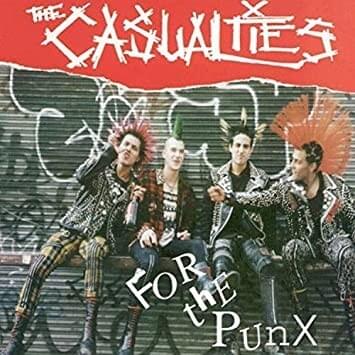
 View Artist