Song Meaning
Woody Guthrie's "Lonesome Valley" isn't just a hymn; it's a stark existential declaration disguised as a folk song. The central metaphor, the "lonesome valley," speaks to the solitary nature of individual experience, particularly spiritual or moral reckoning. Guthrie, never one for sugarcoating, drills down to the core truth: no one, regardless of their love or authority, can traverse your essential journey for you. The repeated assertion, "You gotta walk it by yourself," isn't bleak; it's a call to radical self-reliance. It's the sound of pure, unadulterated American individualism echoing through the dust bowl.
The song's power lies in its simplicity and universality. References to John the Baptist, Daniel in the lions' den, and the "road that leads to glory" aren't dogmatic endorsements of specific religious beliefs. Instead, they function as archetypal stories of individuals facing trials alone, sustained by their inner conviction. Guthrie uses these biblical narratives to amplify the personal responsibility inherent in navigating one's own moral compass. Whether you interpret the valley as a spiritual quest, a confrontation with mortality, or simply the challenges of life, the message remains: your path is yours alone.
What elevates "Lonesome Valley" beyond a mere statement of self-reliance is the implied emotional weight. Guthrie acknowledges the love and support of family ("Mamma and daddy loves you dearly"), yet firmly insists on the necessity of individual action. This creates a poignant tension. It’s not about rejecting connection, but recognizing the limits of external guidance. The lonesome valley is, ultimately, the space where authenticity is forged. It’s the internal arena where we confront our fears, define our values, and ultimately become ourselves, one solitary step at a time. Understanding the song meaning requires accepting the inherent solitude of self-discovery.
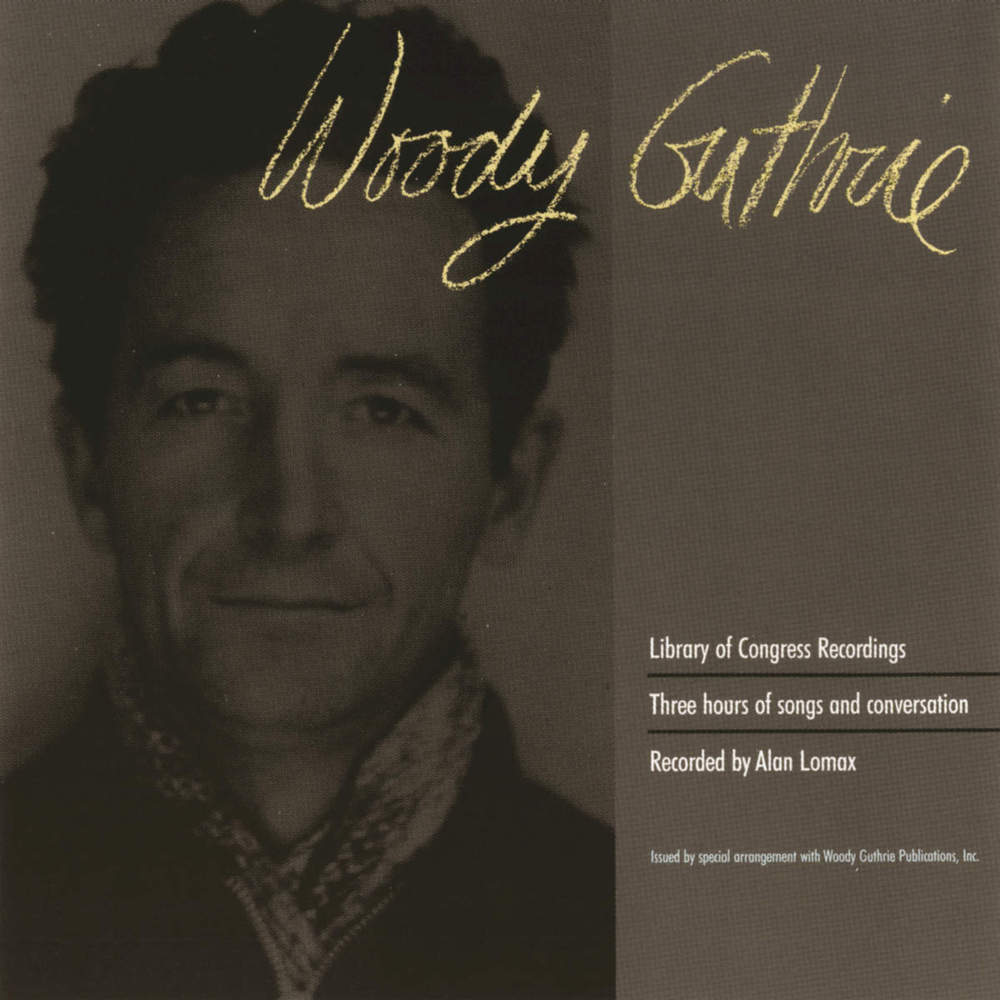
 View Artist