Song Meaning
This song grapples with a profound, almost childlike anxiety about eternal recognition. The narrator faces the prospect of death and an afterlife, a "home eternal" and "city bright and fair," but the central question isn't about divine judgment. It's intensely personal: will the one person who knew them most intimately, their mother, still recognize them in that celestial realm?
The core tension arises from the narrator's perceived changes since their mother's earthly presence. "I have changed with the changing seasons / I am bent with toil and care," they admit, suggesting a life lived that has weathered and perhaps altered them. This fear of being unrecognizable is amplified by the memory of their mother's struggles, "All for me my mother wrestled / When she used to kneel in prayer." The narrator wonders if that profound, sacrificial love could possibly forget the one it was poured out for, especially if the recipient is no longer the person their mother last knew.
The lyrics employ a simple, almost hymn-like structure, but the repeated question, "Will my mother know me there?" acts as a persistent, unsettling refrain. This repetition underscores the depth of the narrator's insecurity, contrasting sharply with the confident, reassuring chorus that follows each verse. The chorus offers a powerful affirmation of maternal love's enduring nature, positing it as a force that "can ne'er forget." The imagery of the mother's face as a "beacon / O'er the sea of deep despair" further solidifies this idea of unwavering guidance and recognition.
Ultimately, the song's effectiveness lies in its raw vulnerability. It taps into a universal fear of losing one's identity, particularly in the eyes of those who shaped it. By grounding this existential dread in the specific, deeply human relationship between a child and their mother, the lyrics create a poignant and resonant plea for continuity and remembrance beyond earthly life.
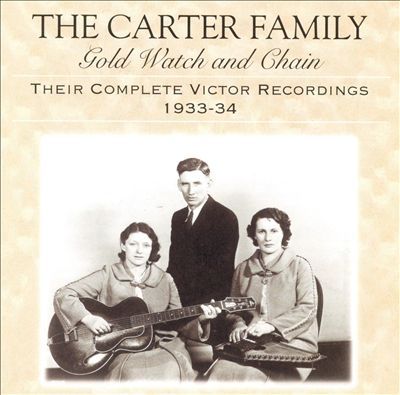
 View Artist