Song Meaning
The narrator confronts a former lover who has returned, claiming their old feelings persist. However, the narrator immediately rejects this plea, stating, "No, no, I cannot take your hand." The core of the rejection isn't a lack of lingering affection, but a profound understanding that the past cannot be reclaimed. The lyrics emphasize that time erases the possibility of reliving lost youth and love, framing the original slight as a definitive, unfixable wound.
The central tension lies in the narrator's dual acknowledgment of past love and present finality. While the returning lover insists their feelings endured, the narrator sees this as futile, a vain attempt to undo past hurts. The phrase "The loving heart you slighted then / Was yours, my friend, in perfect truth" suggests a painful realization: the love offered was genuine, but its rejection was equally real and has irrevocably shaped the present.
The lyrics employ a stark contrast between the desire for return and the reality of irreversible change. The repeated "weary years" highlight the passage of time and the emotional toll it has taken. The narrator's pronouncements, like "God never gives us back our youth," serve as pronouncements of immutable fact, not mere sentiment. This framing elevates the personal rejection to a universal truth about the consequences of past actions.
This song hits hard because it captures the bittersweet ache of seeing a past love resurface, only to recognize that the moment has passed. The narrator’s measured, almost resigned tone, particularly in the final verse’s "Farewell, I think I love you yet / As friend to friend," underscores the enduring scar of the original slight. It’s a powerful depiction of how love can transform into a lesson, leaving behind a quiet strength rather than a rekindled flame.
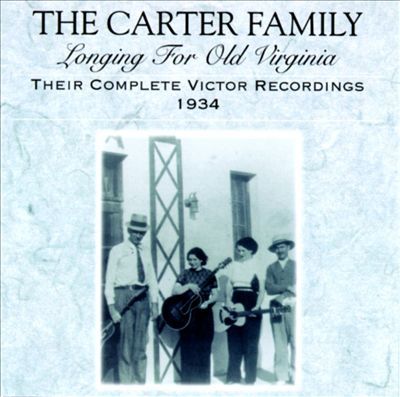
 View Artist