Song Meaning
The lyrics paint a stark portrait of young Jimmy Brown, a newsboy who hawks papers with a practiced, almost defiant, cheerfulness. He’s the "newsboy of the town," a familiar figure whose shouts of "Morning Star" punctuate the street scene. This initial presentation, however, quickly reveals a deeper, more somber reality beneath the surface of his proclaimed identity. The narrator is establishing a persona, a public face that masks significant hardship.
The core tension lies between Jimmy's outward projection of being a capable, recognized member of the community and his internal, unspoken suffering. He’s "very cold and hungry," his clothes "worn and thin," and he wanders "from place to place" to eke out a living. This vulnerability is juxtaposed with his plea, "Don't never mind, Sir, how I look, don't swear at me or frown," highlighting the harsh judgment he likely faces despite his efforts to survive. The lyrics suggest a constant struggle for dignity in the face of destitution.
What’s particularly striking is the way the lyrics weave in elements of inherited hardship and a fragile hope for salvation. Jimmy’s father "died a drunkard," a grim legacy that seems to hang over his own struggles. Yet, his mother offers a spiritual escape, promising him "a place in Heaven / Sir, to sell the Gospel News." This offers a poignant, if bittersweet, vision of the afterlife as a reward for his earthly toil and suffering, a stark contrast to his current precarious existence.
Ultimately, the effectiveness of these lyrics stems from their unvarnished portrayal of a child’s resilience amidst profound adversity. The simple, direct language, coupled with the recurring chorus, solidifies Jimmy’s identity as the newsboy while simultaneously exposing the deep personal cost of his labor. The narrative doesn't shy away from the bleakness, but it also hints at a quiet determination and a mother's enduring faith, creating an emotional resonance that lingers long after the final chorus.
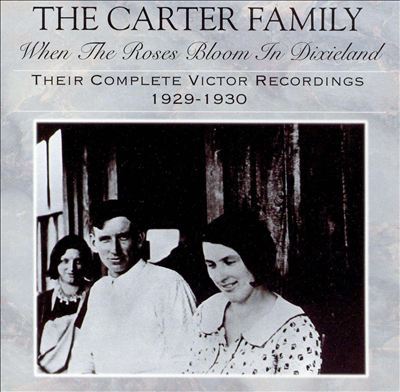
 View Artist