Song Meaning
The narrator is pushing back against a perceived assumption: that her lingering actions mean she’s still hung up on an ex. She lists a series of seemingly innocent or accidental behaviors – asking about him, saying his name, even calling him by mistake – as the supposed evidence for his belief. The repeated phrase, "He thinks I still care," functions as a frustrated refrain, highlighting the disconnect between her reality and his interpretation. It’s a sharp, almost defensive stance, suggesting she’s tired of being misread.
The core tension lies in the narrator's attempt to reclaim her narrative. She’s not necessarily denying *all* residual feelings, but she’s certainly refuting the idea that these small echoes of the past equate to a desperate, ongoing attachment. The lyrics in Verse 3, "Just because I saw him, then went all to pieces," offer a crack in her armor, a moment where the facade might slip, but it’s immediately swallowed by the insistent repetition of the main accusation. This hints that the ex’s assumption might have *some* grounding, even if she’s determined to dismiss it.
The bridge is where the narrator’s voice sharpens into a more direct, almost sarcastic challenge. "Oh how could he ever be so foolish?" she asks, feigning disbelief at his conclusion. This rhetorical questioning serves to amplify her annoyance, framing his belief as not just wrong, but laughably so. It’s a clever way to dismiss his perception without directly admitting any vulnerability, turning his presumed insight into a sign of his own lack of understanding.
Ultimately, the song’s power comes from this relatable struggle against being pigeonholed. The narrator uses the very behaviors the ex points to as proof of her supposed lingering affection to instead highlight his flawed perception. It’s a subtle but effective way of saying, "You’re reading too much into things," while simultaneously revealing just how much these small interactions still affect her, even as she tries to deny it.
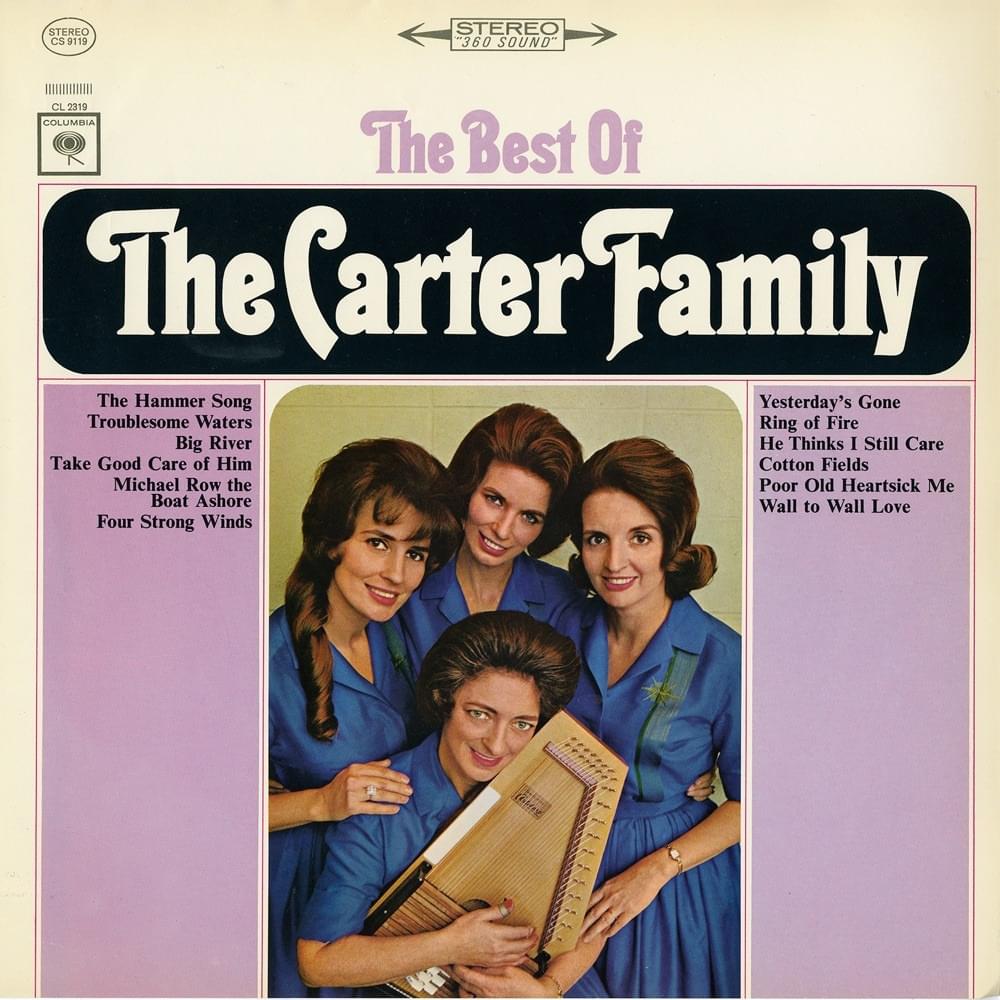
 View Artist