Song Meaning
These lyrics paint a vivid picture of observing someone caught in a relentless, almost self-consuming energy. The speaker admits a stark inability to intervene, stating, "I can't put out your fire, I know it's too late." There's an immediate sense of resignation and impending collapse.
The "you" character is portrayed as perpetually restless, "pushing and popping, you don't get enough," constantly seeking stimulation but finding "nothing around." This frantic energy is juxtaposed with a profound fragility, as "the gallow glass is cracking, it's starting to smash," suggesting an inevitable breakdown. The line "How can you cry without blinking a lash" further hints at a detached, perhaps performative, emotional state, or a deep weariness.
The core tension crystallizes in the repeated refrain: "You can't hold on too long, it's alright." This isn't a simple warning; it's a strange blend of fatalism and casual reassurance, as if the inevitable burnout is simultaneously regrettable and perfectly acceptable. This acceptance extends to the social landscape, where "laughing boys" "puncture your style," forcing a superficiality where one "can't be too choosy" about identity, even when desiring to "come in colors."
The lyrics effectively capture the exhausting cycle of seeking external validation and thrills while an internal structure crumbles. The speaker's detached observation, coupled with the "it's alright" refrain, creates a chilling sense of passive acceptance of another's self-destructive path. It's a sharp commentary on the pressures to perform and the quiet desperation that can simmer beneath a seemingly fun-seeking exterior, leaving the listener with a lingering sense of unease about what "alright" truly means here.
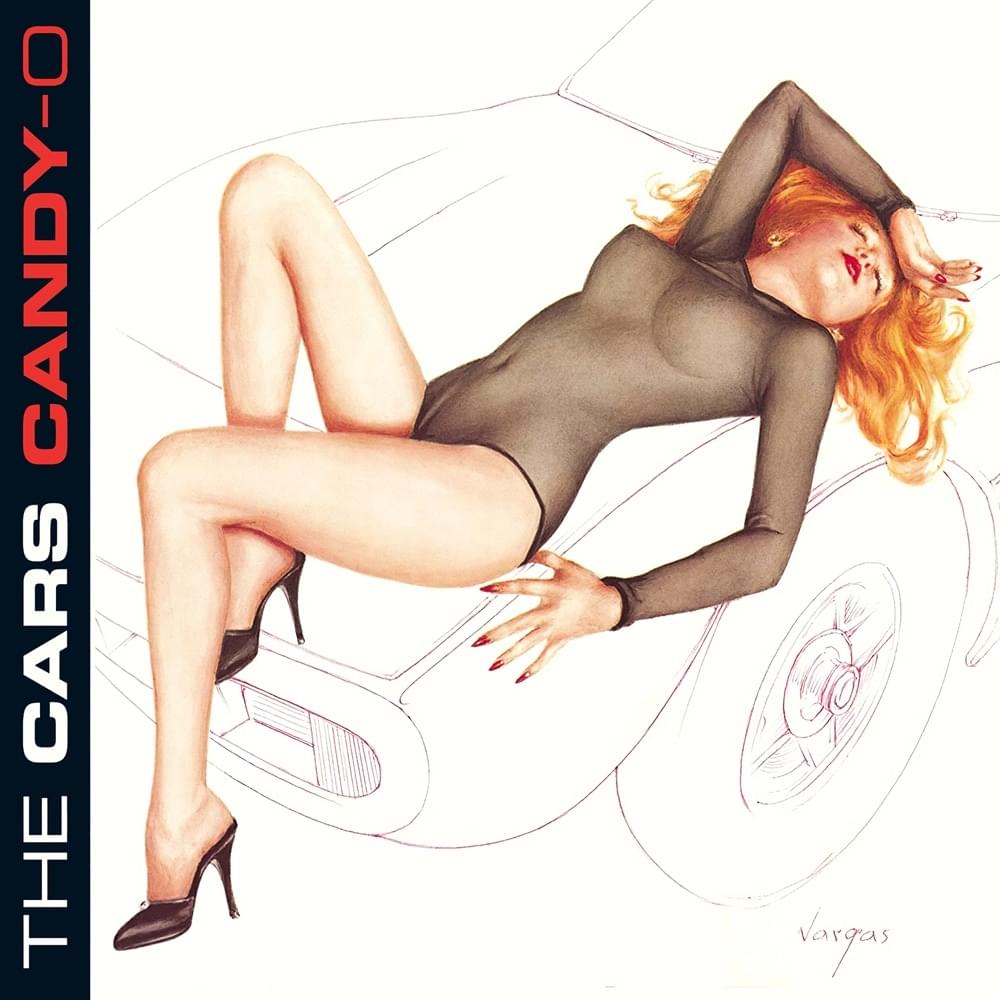
 View Artist