Song Meaning
The narrator opens with a stark betrayal of trust, recalling a promise that they'd be the first to know about any change of heart. This sets up a devastating irony when they discover their friends were aware of the breakup before they were. The casual "darling" feels like a bitter echo of a past intimacy now rendered hollow. It’s a gut punch delivered not by the ex-partner, but by the social circle that knew the truth.
The central tension here is the painful isolation of being the last to know. The narrator is left adrift, "lonely," "miserable," and "blue," grappling with a reality that everyone else seemed privy to. The promise of being "the first to know" is cruelly inverted, leaving them feeling utterly blindsided and excluded from their own narrative. This exclusion amplifies the sense of loss and confusion.
The most striking craft element is the repeated, almost taunting refrain: "I'll be the last one to know." This phrase perfectly encapsulates the narrator's newfound status – no longer the confidante, but the outsider looking in. The shift from "first" to "last" highlights the complete reversal of their perceived importance in the relationship and social sphere. It’s a stark, simple statement that carries immense emotional weight.
This lyrical construction works because it taps into a universal fear of being out of the loop, of being the last to understand a painful truth. The direct, almost conversational tone makes the betrayal feel immediate and personal. The contrast between the initial promise and the final reality creates a powerful emotional arc, leaving the listener with a profound sense of the narrator's hurt and bewildered isolation.
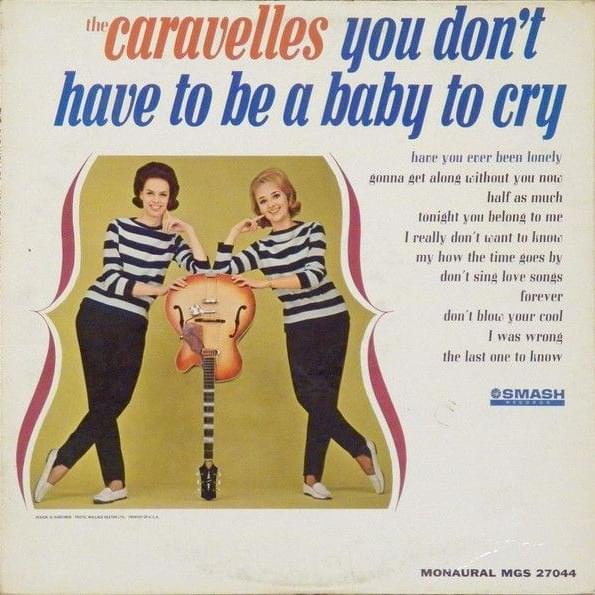
 View Artist