Song Meaning
The narrator is caught in a painful paradox, desperately wanting assurance of their partner's past while simultaneously dreading the potential revelations. The opening lines immediately establish this conflict, posing questions about previous lovers and intimate moments. The repeated phrase "How many?" underscores a gnawing insecurity, but the immediate follow-up, "But I really don't want to know," reveals a self-protective instinct kicking in.
This internal struggle is the song's core. The narrator craves knowledge about their partner's history, likely to gauge their own significance or confirm their fears. Yet, the very act of knowing could shatter the present happiness. It's a classic case of willful ignorance born from a fear of the truth, a desire to preserve a fragile peace even if it's built on an unspoken foundation.
The lyrics masterfully employ repetition to amplify this tension. The structure hinges on the question-and-refusal pattern, hammering home the narrator's internal debate. The shift in the bridge, from questioning the past to instructing the partner to "always make me wonder," is crucial. It suggests a conscious decision to maintain this state of uncertainty, a plea for the partner to actively participate in the charade.
Ultimately, the song's effectiveness lies in its raw portrayal of vulnerability and the complex coping mechanisms we employ. The narrator’s plea, "Darling, don't you confess," is heartbreakingly honest. It’s not just about not wanting to know; it’s about actively preferring the mystery, even if it means living with a constant, low-grade anxiety, all because the love felt is so profound.
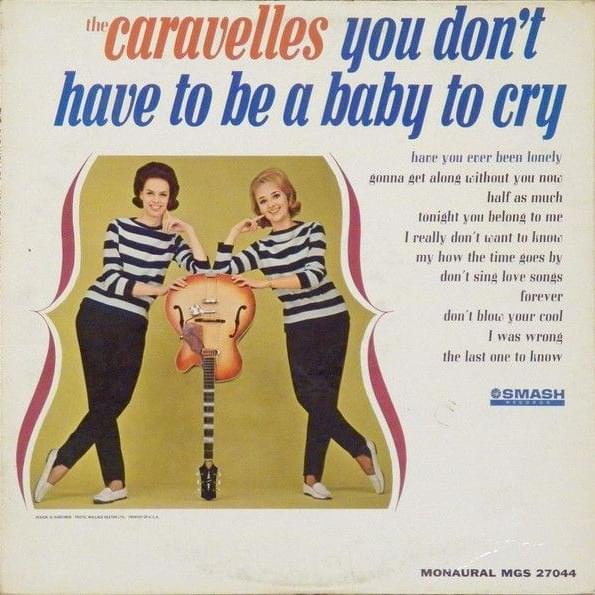
 View Artist