Song Meaning
The lyrics paint a picture of pure, unadulterated joy, directly tied to the return of a loved one. The recurring image of the moon, described as "brighter than it used to be," serves as a powerful metaphor for this renewed happiness. It’s not just a pleasant sight; it’s a celestial affirmation of the narrator’s emotional state. The simple, declarative sentences emphasize the overwhelming simplicity of this newfound bliss. The narrator feels a profound sense of gratitude, thanking "the Lord above" for this reunion.
The central tension, though understated, lies in the contrast between the narrator's present happiness and the implied past sorrow. The line "A cloud seemed to follow me / When we were apart" directly references a period of darkness or unhappiness that has now lifted. This makes the current brightness of the moon and stars feel even more significant. The return of the loved one has not just ended a period of sadness but has fundamentally altered the narrator's perception of the world, making everything seem more vibrant.
The most striking aspect of the craft is the consistent, almost childlike repetition of "There's a moon out again." This refrain acts as an anchor, grounding the listener in the narrator's immediate, overwhelming feeling. The moon isn't just a passive observer; it's an active participant in the narrator's emotional landscape, mirroring the "love in my heart." The lyrics suggest that the external world, symbolized by the moon and stars, directly reflects the internal state of the narrator, especially when that state is one of deep affection and contentment.
Ultimately, the effectiveness of these lyrics lies in their unvarnished sincerity. There's no complex narrative or hidden meaning; it's a direct expression of how love can illuminate one's entire world. The simple imagery and straightforward language create an accessible and potent feeling of relief and delight. The narrator isn't just happy because their baby is back; they feel like the world itself has become a more beautiful place, a sentiment that resonates through the repeated, hopeful refrain.
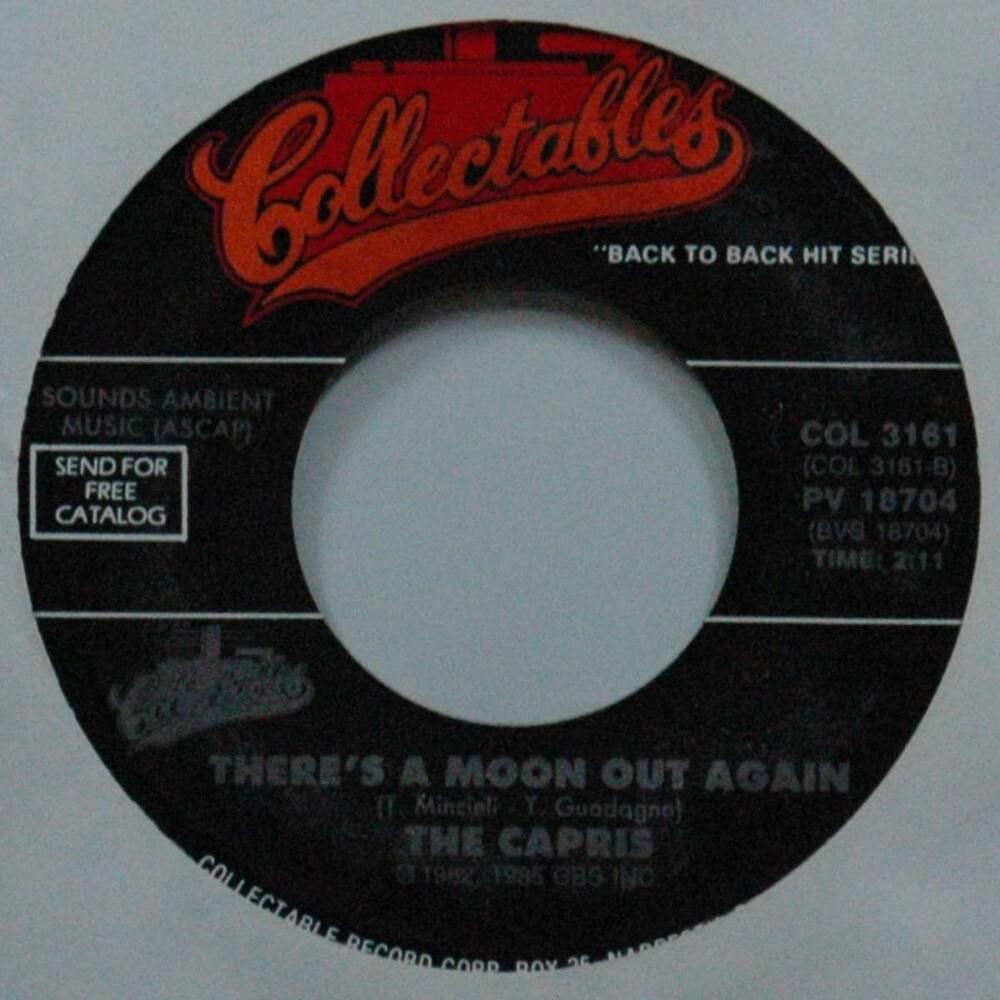
 View Artist