Song Meaning
The lyrics paint a stark picture of intense internal turmoil, beginning with a visceral sense of physical and emotional coldness juxtaposed with a burning, feverish feeling. This internal conflict, described as a "battle I'm losing," is directly linked to a powerful, consuming need. The narrator grapples with the reality of this struggle, acknowledging the difficulty of facing it head-on.
The core of the song's tension lies in the overwhelming power of "Jealousy," personified as a force that has brought the narrator "on my knees." This isn't just a fleeting emotion; it's presented as an "old time curse" that actively "tears friends apart" and diminishes the narrator's strength, leaving them feeling "bitter" and "weaker." The repetition of "life don't end, love don't end" acts as a desperate refrain, a reminder of what might still endure despite the corrosive effects of jealousy.
Interestingly, the lyrics shift from despair to a nascent sense of recovery. The narrator moves from feeling "weaker" to "stronger," experiencing a profound change where they "feel better" and are "walking on the Earth." This transformation is framed not as a victory over jealousy itself, but as a resilient re-grounding in existence, a renewed appreciation for life and breath, even as the "need" persists. The haunting presence of jealousy, however, remains, as the narrator admits, "you haunt me now."
This emotional arc is effective because it grounds abstract feelings in concrete sensations and direct address. The contrast between the "coldness of the night" and the "heat from my body," and the eventual return to "walking on the Earth," makes the internal struggle palpable. The repeated, almost incantatory, "Jealousy, you've got me now" captures the suffocating grip of the emotion, while the eventual shift to feeling "stronger" offers a glimmer of hope rooted in self-awareness and a connection to the physical world.
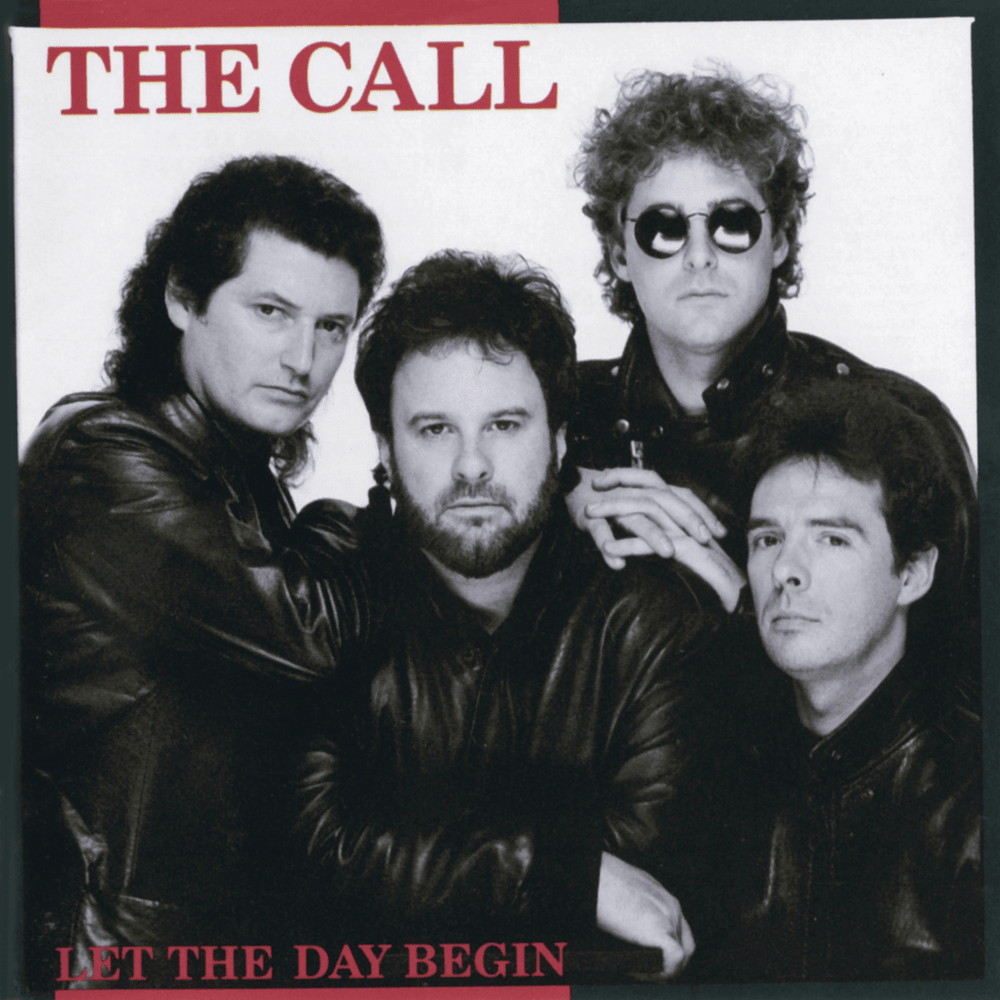
 View Artist