Song Meaning
The narrator is trapped in a cycle of internal struggle, haunted by unspoken thoughts and past regrets. The dim lamplight catching their chin creates a stark, almost accusatory image, highlighting the hidden anxieties they try to suppress. This internal battle is so consuming that it overshadows their present perception, with the past having a definitive hold over them. The stark contrast of 'orange curtains and pale blue walls' paints a picture of a room that feels both lived-in and unsettling, a physical space mirroring their mental state.
The core tension lies in the narrator's all-or-nothing mentality, encapsulated by the repeated refrain, "If I can't win, I'm gonna lose it all." This binary thinking suggests a deep-seated fear of failure and an inability to accept compromise or partial success. They project this onto their interactions, even with inanimate objects like cigarettes, which offer only temporary solace before being discarded. The fear of people walking away when they 'overhear what I say' indicates a self-awareness of their potentially off-putting or overwhelming internal monologue.
The lyrics use vivid, almost surreal imagery to convey this emotional turmoil. Talking to cigarettes that 'can't run' because they're new is a poignant, if bleak, metaphor for seeking control in a situation where true agency is elusive. The act of taking a picture book off the shelf and sending it 'up and watch it fall' is particularly striking; it suggests a destructive impulse, a need to break something, perhaps to feel *something* or to enact a symbolic loss that mirrors their internal dread. This action feels like a desperate attempt to break the pattern, even if it leads to further disintegration.
Ultimately, the power of these lyrics stems from their raw portrayal of a mind wrestling with itself. The narrator’s desperate, all-consuming desire for victory, coupled with the paralyzing fear of total defeat, creates a palpable sense of unease. The specific, grounded details – the lamplight, the curtains, the cigarettes – anchor this internal chaos in a tangible reality, making the narrator's emotional predicament feel intensely personal and deeply resonant.
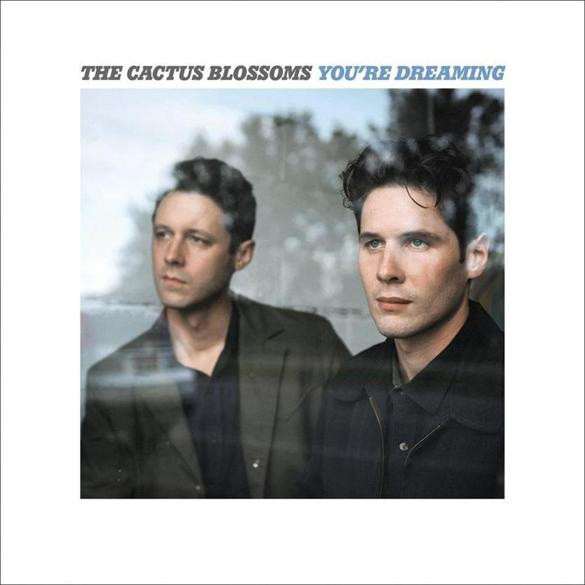
 View Artist