Song Meaning
This track cuts deep, laying bare a profound sense of betrayal from someone once considered a friend. The narrator confronts a person who claims solidarity but whose actions reveal a self-serving agenda. The core of the song lies in the stark contrast between the supposed friendship and the observed behavior – standing by and grinning while the narrator was down, and offering a hand only when victory seemed assured. This isn't just disappointment; it's a sharp indictment of hypocrisy.
The central tension revolves around the narrator's disillusionment with a supposed ally who prioritizes personal gain over genuine support. The lyrics paint a picture of someone who operates from a place of opportunism, seeking to align with success rather than offer solace in hardship. The accusation that this person talks behind the narrator's back, and the implication that they lack genuine understanding, fuels the emotional weight of the piece.
A particularly striking element is the narrator's wish for a temporary role reversal: "I wish that for just one time / You could stand inside my shoes." This isn't a plea for empathy in the traditional sense, but rather a desire for the betrayer to experience the painful reality of their own actions and the suffering they've inflicted. The subsequent line, "I could be you," suggests a fleeting thought of escaping the burden of this harsh realization by embodying the perceived ignorance of the other person.
What makes these lyrics so potent is their raw, unvarnished honesty and the specific, cutting imagery used to describe the betrayal. The repeated phrase "you got a lotta nerve" underscores the audacity of the false friend's claims. The final sentiment, that experiencing the narrator's perspective would reveal "what a drag it is / To see you," is a devastating conclusion, transforming the supposed friend into a source of profound weariness and pain.
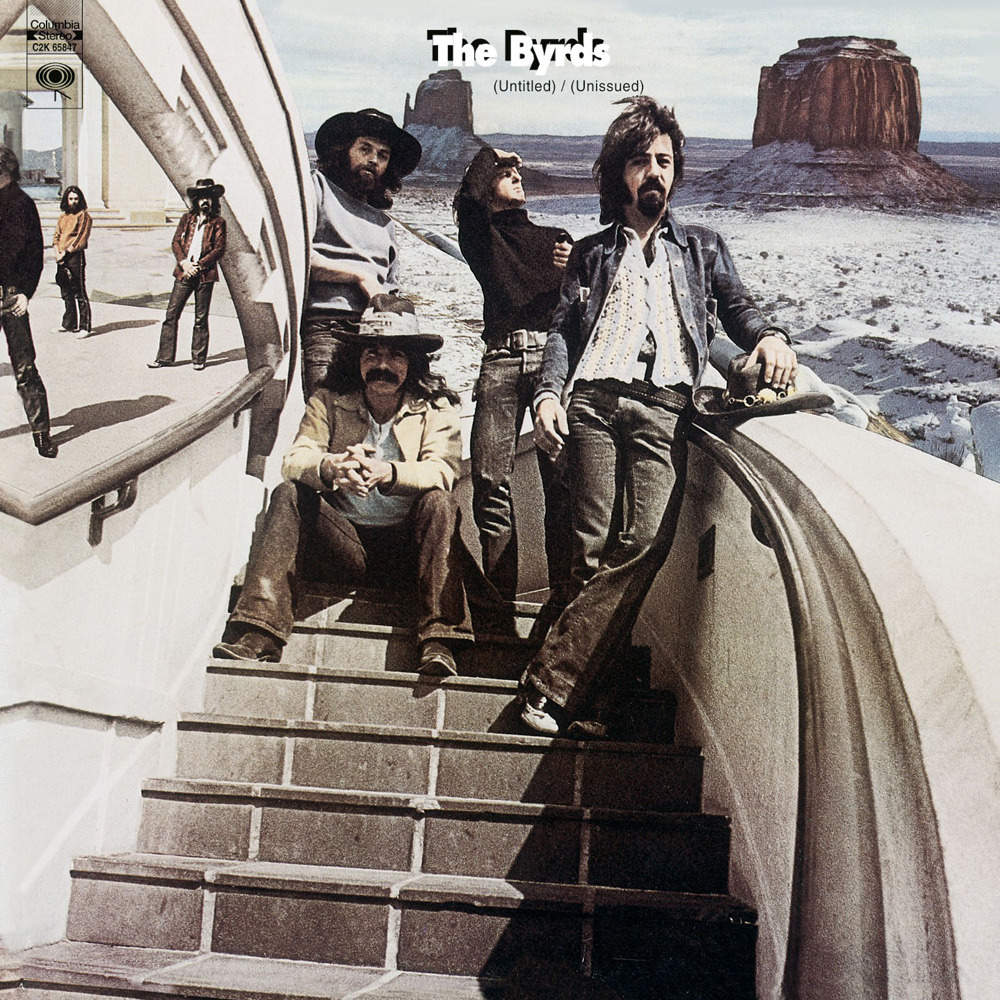
 View Artist