Song Meaning
The lyrics paint a picture of profound relief and renewed optimism, directly tied to the return of a significant person. The narrator feels the natural world transforming around them, with the moon and sun regaining their positive influence and the wind clearing away sorrow. This shift isn't just external; it signifies an internal recalibration, where the narrator's heart can finally feel 'free.' The core of this transformation is the perceived validation of love: "now I really see how much you do love me."
The central tension lies in the stark contrast between the narrator's state before and after this person's return. When this person left, the narrator "forgot how to care" and "hid myself away," suggesting a period of deep emotional withdrawal and apathy. The present, however, is characterized by a powerful sense of hope, where even "winter days will seem like spring." This highlights the dependency of the narrator's emotional well-being on the presence of the loved one.
The most striking aspect of the writing is the personification of natural elements as agents of emotional healing. The moon, sun, and wind are not just background details; they actively participate in the narrator's recovery, lighting the sky, making the day bright, and blowing pain away. This elevates the return of the loved one to a cosmic event, capable of realigning the narrator with the fundamental joys of existence and the natural order.
Ultimately, the effectiveness of these lyrics stems from their direct and unadorned expression of dependency and gratitude. The narrator isn't exploring complex philosophical ideas; they are articulating a raw, almost childlike, joy that comes from feeling loved and secure again. The simple, declarative statements about the world becoming good and the narrator's ability to "see it through" because they "won't be without you again" resonate because they capture a fundamental human desire for connection and the transformative power of perceived love.
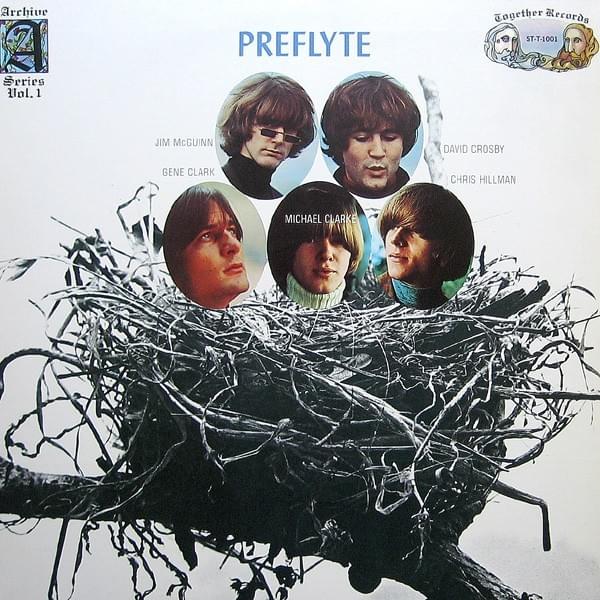
 View Artist