Song Meaning
The lyrics open with a stark question: why do good people suffer while the wicked prosper? It's a raw expression of bewilderment in the face of life's apparent unfairness. The speaker, or perhaps a collective "we," feels "tempted and tried," grappling with persistent hardship. This immediate tension sets a deeply reflective tone.
The core conflict here is the struggle to reconcile personal suffering with the perceived ease of others. The narrator observes those "never molested, though in the wrong" and later, individuals "living so wicked year after year" who still "prosper." This creates a profound sense of injustice, amplified by the personal grief of losing "loved ones," which leaves home "lonely and drear." The lyrics articulate a universal human frustration with the seemingly arbitrary distribution of fortune and sorrow.
The repeated chorus acts as a powerful anchor, a rhythmic balm against the verses' disquiet. It doesn't offer immediate answers, but rather a promise of future clarity, suggesting "we'll know more about it" and "understand why" eventually. This delayed gratification, coupled with the direct encouragement to "Cheer up my brother," shifts the focus from present despair to enduring hope. The repetition itself becomes a form of comfort, a steady reassurance in the face of life's bewildering trials.
These lyrics resonate because they validate a common human experience: the struggle to make sense of suffering. They acknowledge the pain and confusion, particularly when "death has come" and left a home "lonely and drear," without trivializing it. Instead, they offer a gentle, patient perspective. The effectiveness lies in this blend of honest questioning and unwavering, if deferred, hope. It's a quiet testament to resilience, suggesting that understanding isn't always immediate, but it is ultimately attainable, making the present burden a little lighter.
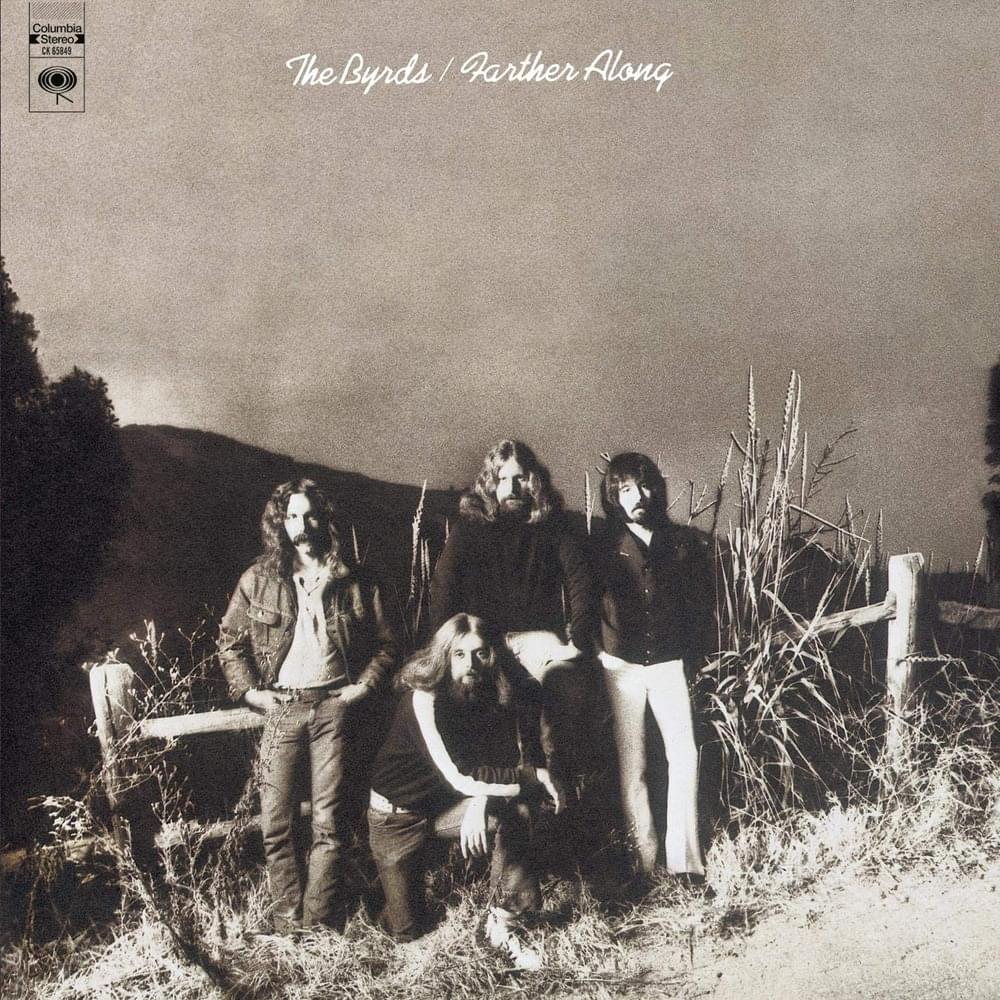
 View Artist