Song Meaning
The lyrics paint a stark picture of someone caught in a cycle of addiction, with the narrator observing their struggle. The opening lines immediately establish a sense of external pressure and a lack of agency: "Caught up in something / You didn't wanna do." The narrator offers a sympathetic but ultimately detached stance, stating, "It's not your fault so I'll leave it up to you." This sets up a dynamic where the narrator is trying to help, but the subject is resistant or unable to accept it.
The central tension revolves around the subject's denial and the narrator's growing frustration. The contrast between the subject's past perceived strength ("Thought you were big and brave") and their current desperate state ("Now it's the only thing you crave") highlights the destructive nature of their addiction. The repeated phrase "I'm trying, You're buying" underscores this stalemate: the narrator expends effort, while the subject continues down a destructive path, perhaps metaphorically "buying" into their addiction or the false promises it offers. The narrator's plea, "That there must be a better way," becomes a desperate refrain against this backdrop.
The lyrics effectively use the concept of memory loss and denial to illustrate the grip of addiction. Phrases like "You've blacked out your memory" and the question, "Is there anything out there you can see," suggest a profound disconnect from reality. The narrator identifies the issue directly as "your addiction" and calls it "an affliction / It's in your blood," framing it as an almost inescapable condition. This directness, coupled with the repeated chorus, amplifies the feeling of helplessness and the cyclical nature of the problem.
What makes these lyrics resonate is their unvarnished portrayal of a difficult relationship with addiction. The narrator’s mix of empathy and resignation, the clear identification of the problem without offering easy solutions, and the persistent, almost pleading refrain create a powerful sense of emotional weight. The final line, "Cry to the world you wanna break out," offers a glimmer of hope, suggesting the subject's internal desire for change, even if they are currently unable to act on it.
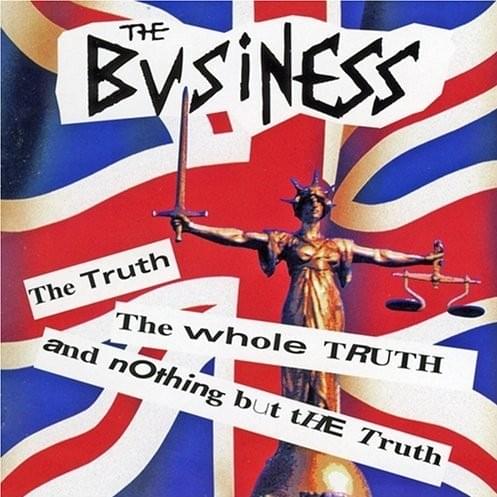
 View Artist