Song Meaning
The lyrics paint a stark picture of a youth spent in a harsh, unforgiving environment. The opening lines immediately establish a sense of accelerated maturation and impermanence, where "nothing will last." This isn't a nostalgic look back, but a raw depiction of fear and desperation born from poverty, where "nothing to lose" fuels a cycle of "anger and booze." The world presented is one of immediate threat, where allies are absent and danger, personified by "wolves gather in their packs," leaves no room for hesitation.
The central tension arises from the suffocating reality of this "gangland." The narrator asserts that "Ain't no light gonna shine on hate," suggesting a pervasive darkness that defines their existence, particularly "on this side of town." This isn't just about external conflict; it's an internal state, a grim acceptance of a life where violence, described as shooting "each other away," is the only perceived escape or form of communication. The imagery of "living dead in a crime wave" and "junkies on your stairway" amplifies the sense of decay and constant, desperate need.
The most striking element is the stark contrast between the external markers of identity and the internal void. "Spray paint on the brick walls" proclaiming a "firm's name" serves as a desperate attempt at permanence and belonging in a world that otherwise offers none. Yet, this external bravado is juxtaposed with the profound internal desolation. The repeated phrase "Ain't no light gonna shine on me" and the final declaration "Cause there ain't no life on my street" reveal a deep-seated resignation. The proclaimed "Gangland - Life - Fury" is not a celebration but a grim acknowledgment of the only forces that seem to define existence, highlighting a profound lack of hope or future beyond the immediate, brutal present.
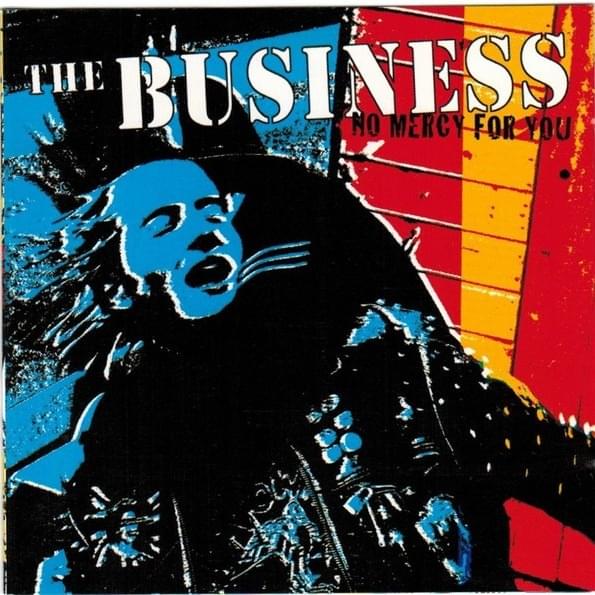
 View Artist