Song Meaning
The lyrics paint a picture of someone yearning for a different persona, one that's more rebellious and less constrained. The opening lines, "Before we save the future / We gotta bring the past," suggest a desire to revisit or reclaim something lost, perhaps a sense of freedom or authenticity. This is immediately followed by a reference to "Bill and Ted's adventure," framing the past experience as "excellent at best," hinting at a nostalgic, if slightly imperfect, memory of a time when things felt more vibrant or significant. The narrator seems to feel that the present is lacking this past energy.
The central tension lies in the narrator's perceived inability to express their true desires due to external or internal restrictions, specifically symbolized by parental permission. The repeated plea, "I'd be a punk if my mom would let me," is the core of this conflict. It highlights a disconnect between who the narrator feels they could be – a "punk" – and who they are currently allowed to be. This isn't just about teenage rebellion; it's about a fundamental identity that feels suppressed, with the narrator believing that "everyone except for you knows that we'd be really good."
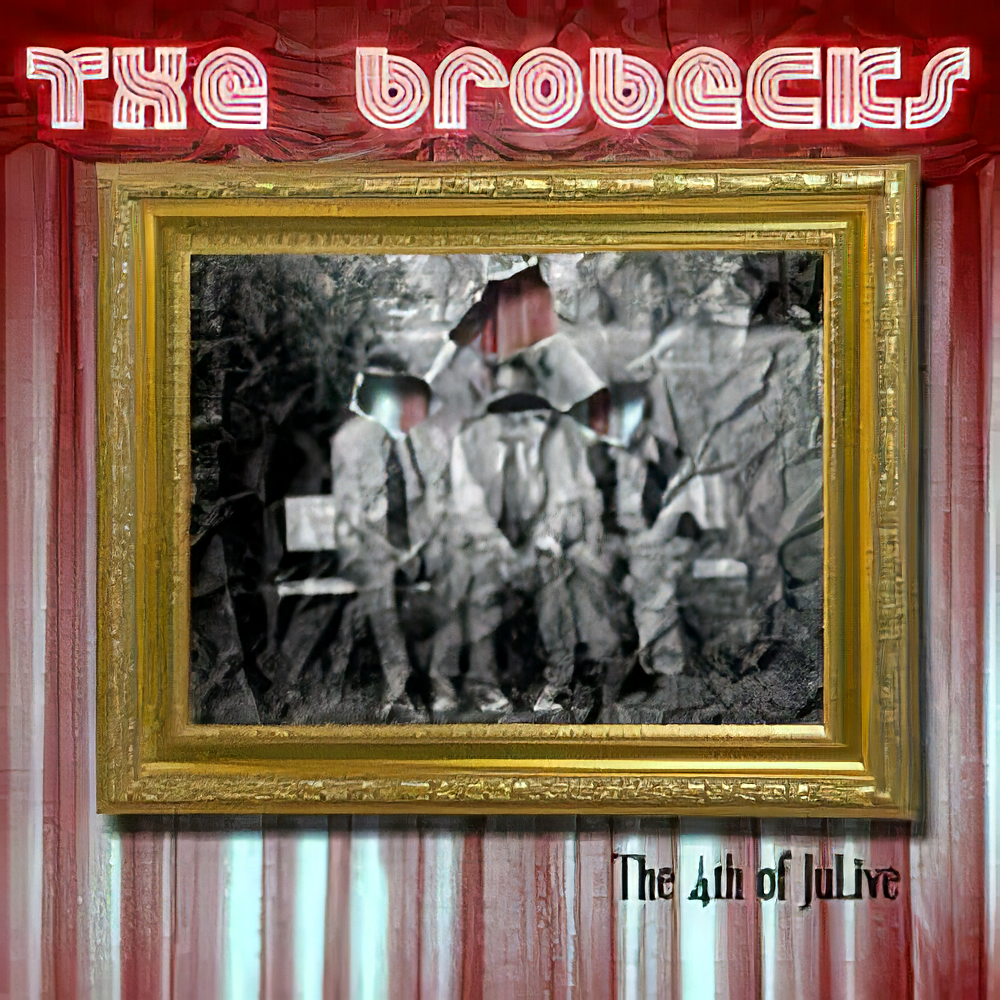
The most striking element is the literal interpretation of rebellion tied to parental approval. The narrator hasn't even experienced the typical markers of rebellion like getting drunk, but the *idea* of being a "punk" is tantalizing. This isn't a conscious choice for anarchy, but a conditional aspiration. The repetition of the refrain hammers home this singular, almost childlike, desire for permission to break free, making the yearning feel both earnest and slightly absurd. The "4th of JuLive" title itself plays on this, a holiday of independence, yet the narrator is still waiting for a "mom" to grant them leave.
This lyrical approach is effective because it grounds a potentially complex desire for self-expression in a very specific, relatable (and perhaps frustrating) scenario. The contrast between the grand idea of being a "punk" and the mundane requirement of parental consent creates a poignant, almost humorous, picture of inhibited potential. The repeated phrase becomes an anthem for anyone who feels their true self is just one "yes" away from breaking out.
 View Artist