Song Meaning
The lyrics paint a stark portrait of a man facing his end, stripped of pretense and confronting a lifetime of choices. The opening lines establish a sense of finality, where "no longer will death wait," and the immediate shift in perspective highlights the sudden, brutal clarity that can arrive at the "brink of your demise." This isn't a peaceful passing; it's a reckoning with a self that might have been deceptive, where "your truth could tell you lies."
The central tension lies in the internal conflict between self-perception and reality. The narrator is described as "a coward to his heart" yet "a solider in his mind," a jarring contrast that suggests a deep-seated disconnect. This internal war, "a war that has no time," implies a desperate, perhaps futile, struggle against the inevitable, a battle waged within the confines of his own consciousness as he prepares to leave his world behind.
The most striking aspect is the interrogation of accountability, particularly in the lines about "blood of other men" versus "dirt from the streets." This powerful imagery forces a contemplation of the damage caused throughout a life, questioning whether the narrator's actions have directly harmed others or if his transgressions are merely the mundane stains of existence. The idea that "dead men dont tell tales" serves as a grim conclusion, suggesting that the truth of his life, and the impact of his deeds, will remain buried with him, unheard and unacknowledged.
Ultimately, the effectiveness of these lyrics stems from their unflinching examination of regret and the terrifying silence that follows a life unexamined or unconfessed. The narrator is trapped "behind a wall of shame," unable to escape the realization that his actions mirrored those he "despise[d]." The finality of death becomes a curtain drawn on any possibility of redemption or explanation, leaving only the haunting echo of a life whose full story will never be known.
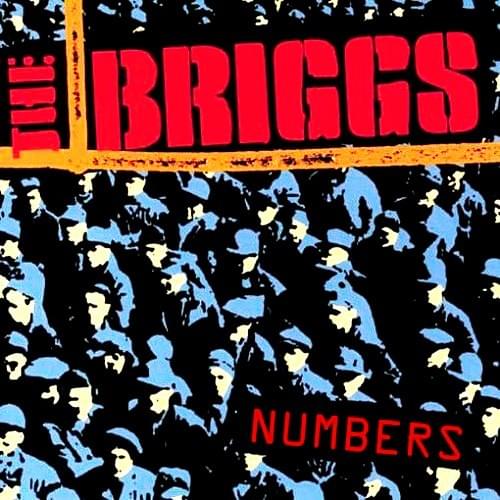
 View Artist