Song Meaning
The lyrics paint a picture of a persistent, almost aimless presence, tethered to someone else's path. The narrator "hangs around" on "your road," a phrase that repeats with a hypnotic insistence, suggesting a lack of personal direction or agency. This circling behavior isn't just passive; it's deeply entwined with a sense of having experienced a wide spectrum of transgressions. The repetition of "up and down the road" amplifies this feeling of being stuck in a loop, traversing familiar territory without ever truly moving forward or away. It creates a sonic landscape that mirrors the narrator's internal state: a restless, perhaps regretful, wandering.
The core tension lies in this duality of passive observation and active, albeit morally compromised, experience. The narrator claims to have "been around every sin" and "don't know a sin I haven't found," implying a comprehensive, almost exhaustive exploration of wrongdoing. This isn't a casual acquaintance with sin; it's an immersion, a deep dive into the darker aspects of life. Yet, this extensive experience doesn't lead to departure or growth; instead, it seems to anchor the narrator even more firmly to the periphery of someone else's life, stuck on their "road."
The most striking aspect of the craft is the sheer, unyielding repetition. The phrase "hang around" and "up and down the road" are not just motifs; they are the entire structure. This obsessive looping mimics the feeling of being trapped in a cycle, unable to break free from a pattern of behavior or a specific emotional state. The lack of variation or development in the lyrics forces the listener to confront the stasis, making the narrator's predicament feel inescapable and deeply ingrained. It’s a stark portrayal of being stuck, not just geographically, but existentially.
This relentless focus on repetition and the narrator's claimed breadth of sin create a potent emotional effect. The listener is left with a sense of unease and a profound understanding of being trapped. The lyrics don't offer resolution or even a hint of escape; they simply present the state of being, a continuous, weary traversal of a known, flawed landscape. The power lies in this stark, unvarnished depiction of a life seemingly defined by circling and sin, without the possibility of moving on.
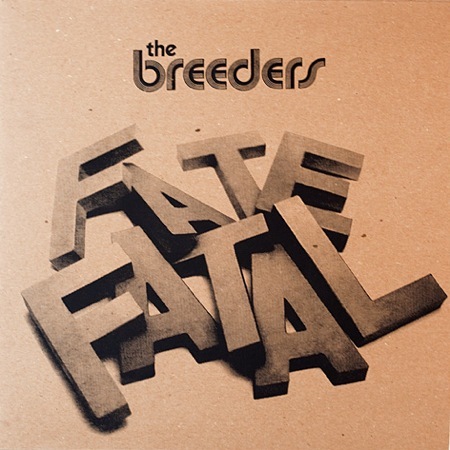
 View Artist