Song Meaning
The lyrics paint a picture of someone haunted by a past love, constantly looking back. The narrator admits to being afraid and unable to move forward in love, feeling they couldn't possess it even when trying to chase it. This backward gaze is a core motif, contrasting with the forward momentum of love itself. The repeated question, "Where are you?" underscores a profound sense of loss and longing for a specific person from a happier time.
The central tension lies in the narrator's perceived shortcomings in the past relationship. They confess to being someone who only received love, rather than giving it, a regret that fuels their current yearning. This self-blame adds a layer of melancholy to their search, suggesting a belief that their past actions contributed to the present separation. The desire to return to "that day" and the person who was there highlights a fixation on a lost ideal.
A striking aspect of the writing is the persistent imagery of looking back versus moving forward. While love is described as something that "runs forward," the narrator "always looks back." This creates a powerful internal conflict, trapping them in a loop of memory and regret. The repeated plea, "If you're hurting too, with the same heart, we have to love again somehow," reveals a desperate hope that the other person also feels this pain and might be drawn back if the narrator simply waits or continues searching.
This lyrical construction is effective because it grounds abstract feelings of loss in concrete actions and self-reflection. The narrator's admission of past failings, coupled with the vivid image of constantly looking backward, makes their yearning feel deeply personal and relatable. The simple, direct questions about the loved one's whereabouts, especially after recalling moments of comfort like being held, create an emotional resonance that speaks to the universal pain of separation and the desperate hope for reunion.
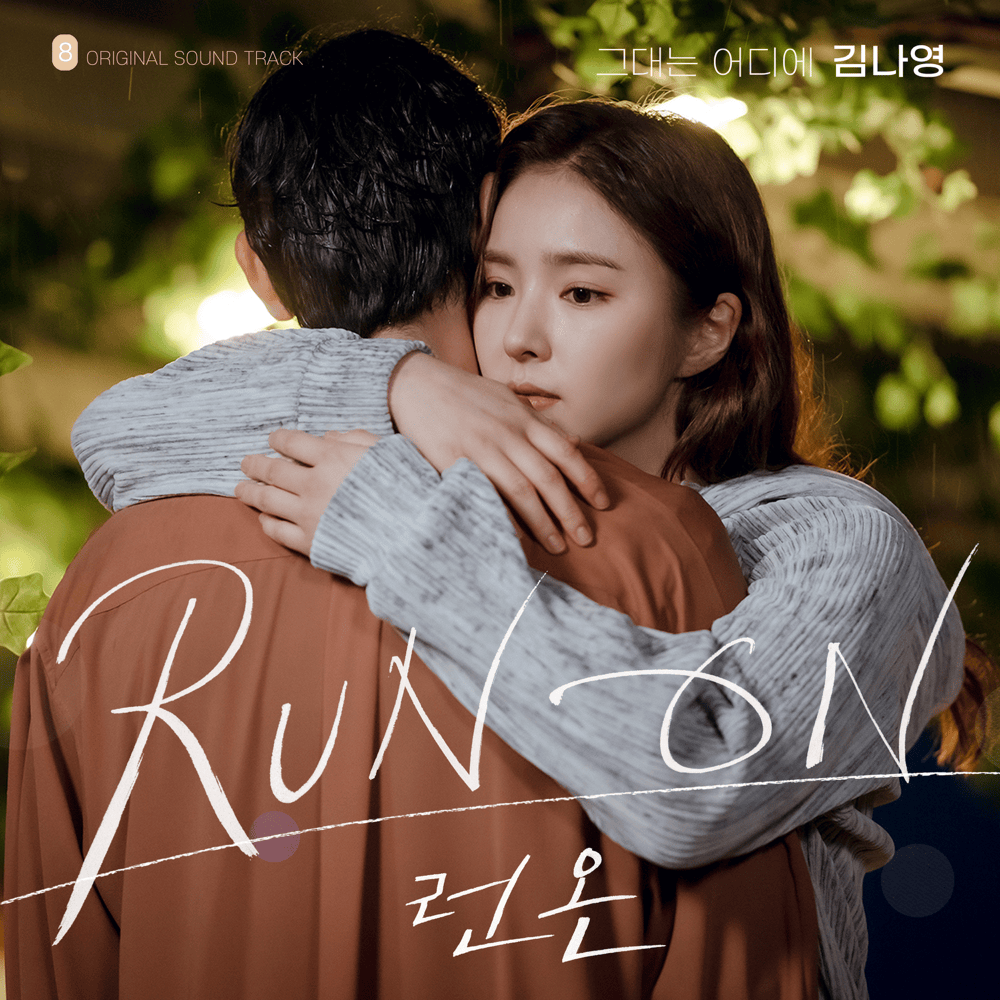
 View Artist