Song Meaning
The lyrics paint a picture of profound transformation, centering on a "lonely man" who felt like a "nobody" with "no part / In life's scenario." This initial state is one of utter insignificance, a life unscripted and lacking direction. The arrival of a specific "you" is presented as a pivotal, almost cinematic event that pulls the narrator out of this existential void. The narrative arc hinges on this external intervention, shifting the speaker from a passive observer of his own life to an active participant.
The central tension lies in the contrast between the narrator's former perceived worthlessness and his current state, directly attributed to the presence of this other person. The lyrics explicitly state, "The man I used to be / He couldn't get a break / Until you hit the scene." This highlights a dependency, a feeling that personal agency was absent until this individual entered his life. The repeated phrase "When he needed you / You arrived on cue" emphasizes the timely and decisive nature of this person's impact, framing them as a savior figure.
The most striking craft element is the recurring simile, "Like the heroine in a movie." This metaphor elevates the "you" from a supportive figure to a dramatic protagonist, the central force driving the narrative. It suggests that this person's actions were not just helpful but imbued with a sense of destiny and grandiosity, as if orchestrating the narrator's life with cinematic flair. The shift in the third verse, from "he" to "I," signifies the narrator's internal acceptance of this new reality and his own role within it, stating, "We improvised the script / We acted out our parts." This implies a collaborative creation of a new life story, guided by the initial heroic intervention.
Ultimately, the effectiveness of these lyrics stems from their clear depiction of personal salvation through another. The simple, direct language and the powerful central metaphor create an emotional resonance by articulating a universal desire for a guiding force. The repetition of the "heroine" image in the outro reinforces the magnitude of this person's impact, solidifying their role as the catalyst for the narrator's entire life change. It’s a testament to how one person can fundamentally rewrite another's story.
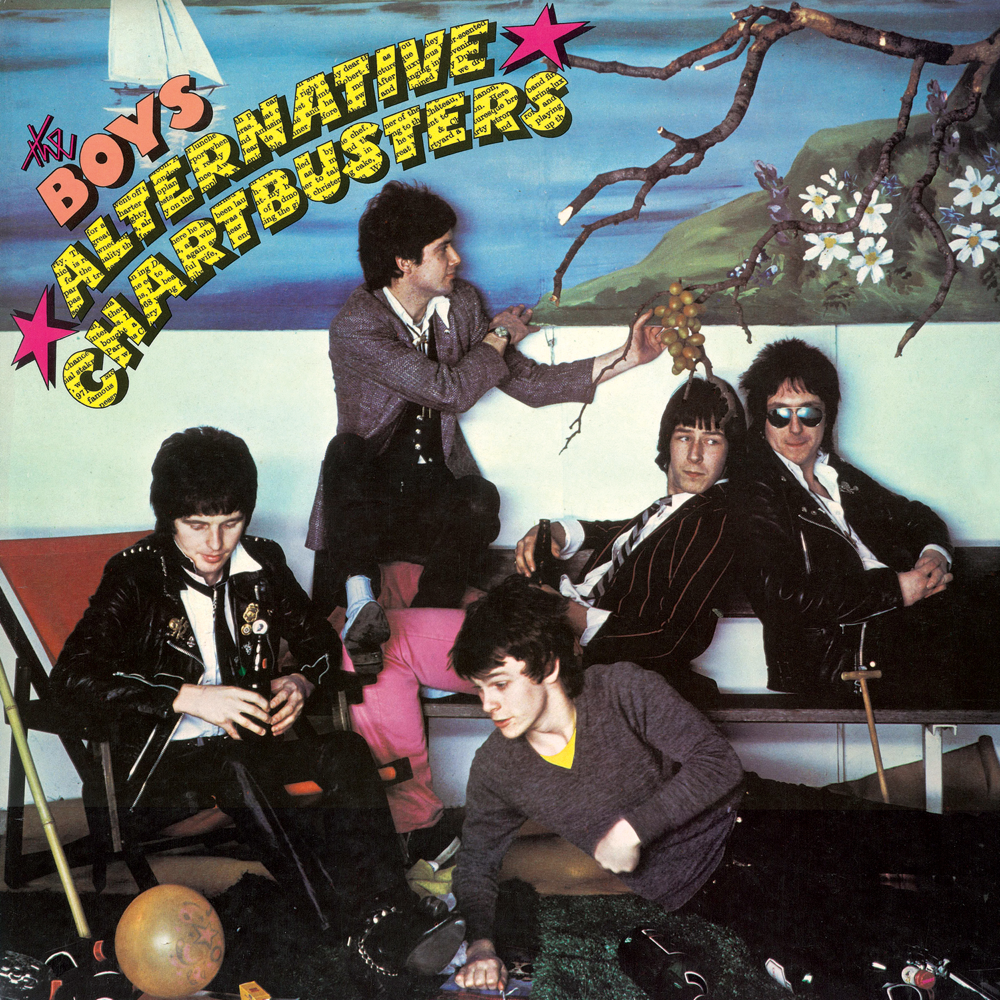
 View Artist