Song Meaning
The lyrics paint a picture of intense, almost self-destructive devotion, framed by a deliberately erratic approach to affection. The opening lines, "After a fashion, which is / Purely the mood that takes me," establish a sense of spontaneity and emotional caprice. This isn't a measured, consistent love, but one that flares up intensely, capable of causing pain – "I'll set my mouth on fire / And kiss ya till ya blister." The narrator's tears, rather than being a sign of sadness, become a cryptic message, "Spell out a word / All for you," suggesting a communication that is both profound and perhaps overwhelming.
The central tension emerges in the recurring image of the "thin boy in dark clothes." This figure, clumsy and seemingly disconnected from his surroundings – "Falling over pianos," "Trips on the moving carpet" – is presented as deliberately oblivious, "deaf and dumb and blind." Yet, this blindness is selective; the lyrics insist he is "Oblivious to all but you." This creates a fascinating paradox: a character who appears lost and uncoordinated is actually hyper-focused, his entire world narrowed down to a single object of affection, mirroring the narrator's own consuming devotion.
The bridge and outro hammer home this dynamic with stark repetition: "She's the answer / I'm the question." This framing suggests a relationship where one party is perceived as complete or definitive, while the other is in a state of perpetual seeking or uncertainty. The narrator's actions, however passionate and dramatic, are cast as the "question," implying a fundamental incompleteness or a search for validation that is met by the other's perceived certainty. The phrase "After a fashion" acts as a constant qualifier, suggesting that both the intense displays of affection and the roles of question and answer are performed, perhaps imperfectly, according to a particular, mood-driven style rather than genuine, settled states.
Ultimately, the lyrics resonate because they capture the overwhelming, sometimes disorienting nature of obsessive affection. The contrast between the narrator's fiery, almost violent expressions of love and the boy's comically inept yet focused demeanor creates a unique emotional landscape. It's the raw, unvarnished portrayal of being consumed by another person, where the very act of loving becomes a performance, a question posed without a guaranteed answer, that makes these lines so compelling.
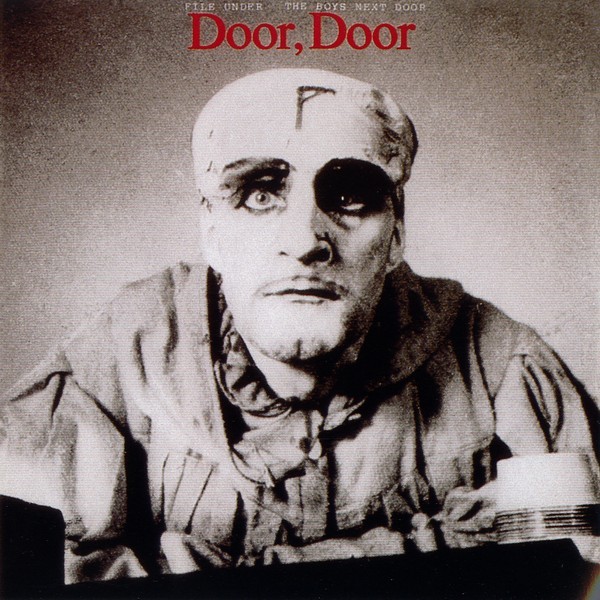
 View Artist