Song Meaning
This song paints a picture of a traveler encountering someone new, immediately curious about their origins. The narrator's friendly greeting, "I'm glad to see you," quickly pivots to a pointed question: "Are you from Dixie?" This isn't just idle small talk; it carries a weight of personal history and longing.
The core of the narrator's sentiment lies in a deep-seated nostalgia and a desire to reconnect with their past. The lyrics reveal a powerful yearning to return "To all those good old folks I left behind." This isn't a casual memory; it's a "yearned, longed" feeling, suggesting a significant emotional investment in the home they've departed. The mention of "southbound trains" reinforces this pull, framing them as a vehicle for fulfilling this deep desire.
The most striking element is the narrator's self-identification with a specific place and time: "It was 'way back in old '89 / When first I crossed that Mason Dixon Line." This detail anchors their identity to a historical moment of division and migration, and their current location feels like a temporary stop. Their home is described vividly as "way down in old Alabam' / On a plantation near Birmingham," grounding their longing in concrete imagery.
What makes these lyrics resonate is the raw, unvarnished expression of homesickness and the hope for reunion. The narrator's directness in asking about the other person's origin, coupled with their own detailed recollection of leaving and longing to return, creates an immediate emotional connection. It’s a snapshot of someone carrying their past with them, actively seeking echoes of home in the present.
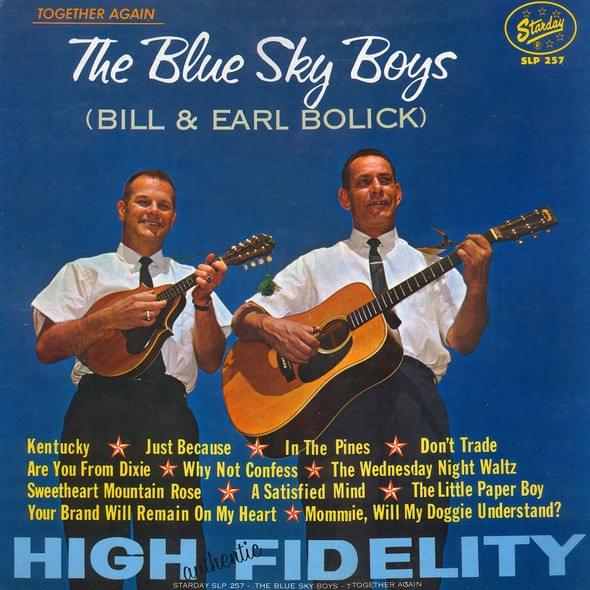
 View Artist