Song Meaning
The narrator begins by declaring a fundamental distrust in guidance, stating, "I don't believe in maps or compasses." This sets a tone of radical independence, or perhaps profound disorientation, from the very start of their existence. They admit to not remembering the way back, emphasizing a forward-facing, directionless journey. The repeated question, "Where are we going?" underscores a persistent uncertainty about their destination, even as they commit to moving.
The lyrics then pivot to a rejection of material struggle, urging the listener not to suffer "for money." Instead, the narrator embraces the identity of a "wandering minstrel who will remain in history," a figure defined by movement and legacy rather than wealth. This is paired with the image of eyes that can "only see forward," reinforcing a commitment to progress and an apparent disregard for looking back or considering alternatives. The core tension seems to be between this relentless forward momentum and the underlying question of purpose.
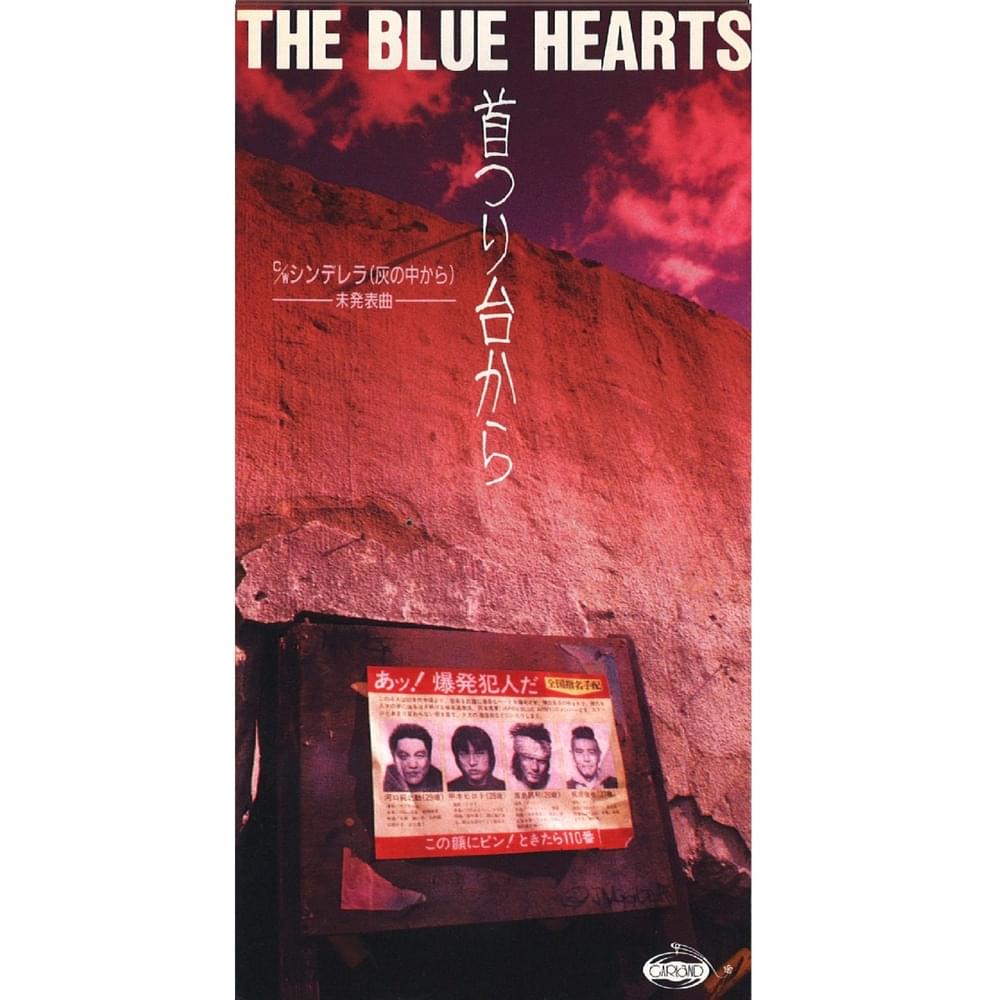
The most striking element is the narrator's defiant embrace of the gallows, singing and laughing "from the scaffold." This is presented as the "greatest climax" and "last scene," suggesting a deliberate confrontation with mortality and societal judgment. The lyrics claim that "only desire is certain," a 100 percent probability, which might be the driving force behind this extreme stance. It's a provocative assertion that even in the face of ultimate consequence, primal urges remain the only reliable constant.
This defiant performance from the brink of death is what makes the lyrics so potent. The narrator transforms the ultimate punishment into a stage, using the ultimate consequence as a backdrop for their final expression. It's a powerful, albeit bleak, statement about living on one's own terms, even if those terms lead to the "scaffold."
 View Artist