Song Meaning
The lyrics paint a bleak picture of systemic disenfranchisement, where the narrator feels trapped by forces beyond their control. The opening lines immediately establish a tone of warning and disillusionment, suggesting that external "angels" and the "giveaway price of your birthright" conspire to prevent genuine reward for labor. This sets up a core tension: the promise of reward versus the reality of perpetual struggle, leaving the narrator to "never savor / The fruits of your labor" and return "Back in the rain."
The central conflict emerges from this feeling of being cheated and the simmering resentment it breeds. The narrator is "taught to respect / The worst in this world" from birth, implying a societal conditioning that normalizes injustice. This leads directly to the explosive refrain, "You're saying burn the rich," a visceral expression of anger against those perceived to be hoarding the "fruits of your labor." The repeated question, "What have I got to hide," suggests a defiant stance, as if the narrator has nothing left to lose or is challenging the system to acknowledge their desperation.
The most striking craft element is the stark contrast between the oppressive imagery and the violent catharsis offered by the chorus. The repeated phrase "You know your place / Ain't in the ditch" acts as both a condemnation of the current state and a rallying cry for change, urging a radical departure from societal expectations. The lyrics suggest that the children are "old before their time," mirroring the narrator's own premature weariness, amplifying the sense of a generation robbed of its youth and future.
This song hits hard because it taps into a deep-seated frustration with inequality and the feeling of being perpetually overlooked. The direct, almost blunt language, coupled with the escalating call to action, creates a powerful sense of shared grievance. The effectiveness lies in its unvarnished portrayal of despair and the raw, almost primal, urge for retribution when all other avenues seem closed, "the fruits of your labor" are perpetually out of reach.
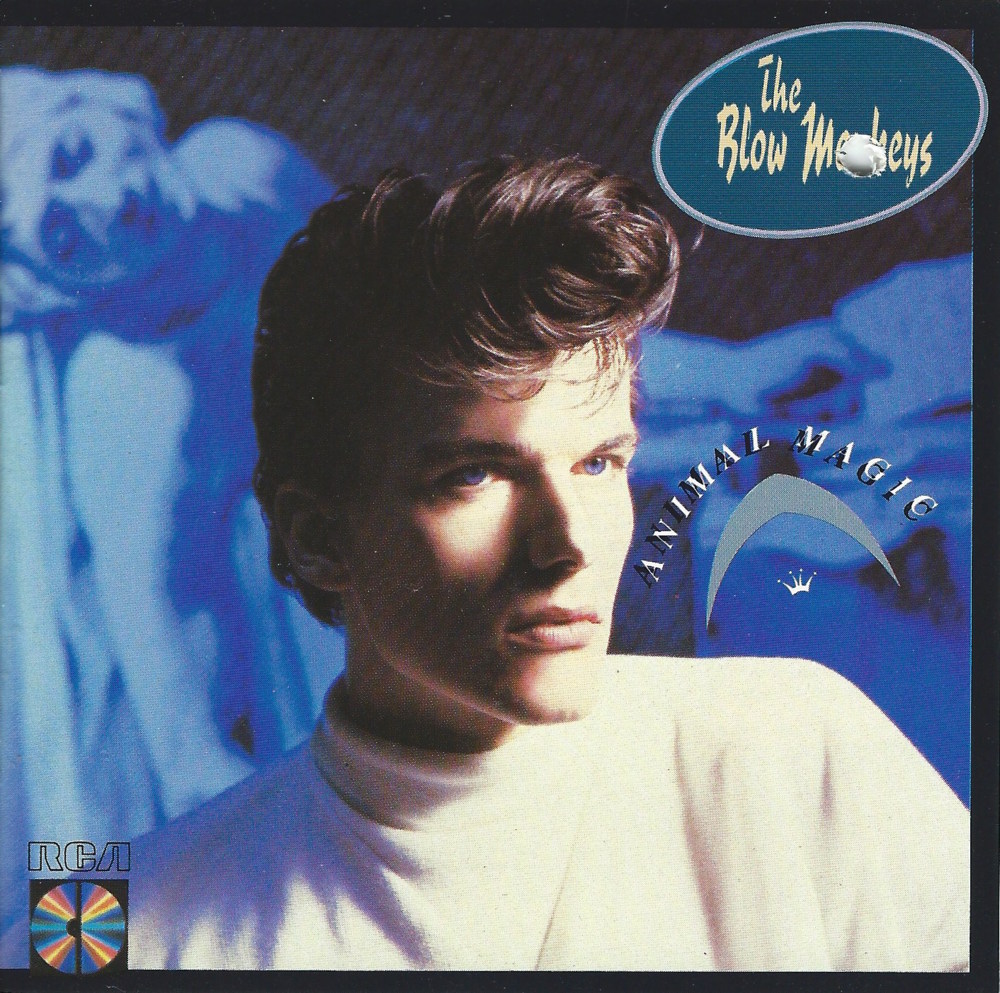
 View Artist