Song Meaning
The lyrics paint a picture of profound emotional paralysis and the desperate need for a fresh start. The opening lines, "Ain't got no tongue / Got nothing to say," immediately establish a sense of voicelessness and inability to articulate pain. This feeling is so intense that the narrator concludes, "starting all over / Sometimes is the only way," a stark admission of being stuck.
The core tension lies in the conflict between clinging to the past and the necessity of moving forward. The narrator attempts to rebuild by "pick[ing] up the pieces" and even counting blessings, but the painful realization hits: "My blessings used to be you." This directly links the inability to move on to a lost significant person, making the present emptiness palpable. The chorus hammers this home: "And all those days / Still remain / And all that's left / Is change!" The past is a persistent weight, and the only viable escape is radical transformation.
The second verse offers a surreal, escapist fantasy as a coping mechanism. The narrator imagines flying an airplane "high and all alone" in the clouds, a place where they can "pretend it's the ground." This imagery suggests a desire to escape reality entirely, to create a new, smoother, and more manageable existence. The act of putting "paint on the ceiling" and pretending it's the ground is a powerful metaphor for denial and self-deception, an attempt to impose order on internal chaos and avoid the harshness of the real world.
Ultimately, the effectiveness of these lyrics stems from their raw portrayal of feeling utterly broken and the desperate, almost childlike, yearning for a reset. The contrast between the inertness of "nothing to say" and the explosive finality of "change!" creates a powerful emotional arc. The surreal imagery in the second verse, while seemingly detached, underscores the depth of the narrator's struggle to find solid ground after a significant loss.
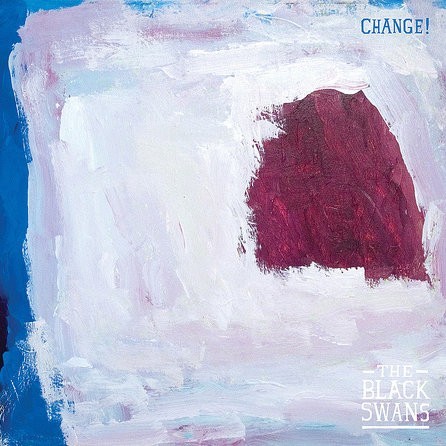
 View Artist