Song Meaning
The lyrics paint a stark picture of a place where time stagnates, symbolized by a valley where "things don't change." This unchanging environment seems to trap the narrator or a subject, evidenced by "tattered pictures pinned to a wall" and a rigid "one love or no love at all" mentality. The dominant emotional tone is one of weary resignation, a quiet sorrow that permeates the unchanging landscape.
The central tension arises from a desire for escape versus the inertia of the situation. The repeated refrain, "Take the sad road / That leads out of town / Don't say nothin' / Just lay your pretty head down," offers a path away, but it's a somber one, devoid of conversation or comfort. This suggests a departure that is not triumphant but rather a quiet surrender to circumstances, a forced stillness in the face of prolonged suffering.
The imagery of "moonlight and roses" and "yellow candles / Melt in your room" creates a fragile, almost mournful intimacy, juxtaposed with the harsh reality of "tired eyes / Searchin' in vain" and "long years / To wait out the pain." The contrast between romantic, fading elements and the enduring ache highlights the disconnect between idealized notions and lived experience. The distant sound of a waltz and an "old serenade" further emphasizes a sense of loss, of moments and connections that are slipping away, like "their last sunset fade."
This lyrical construction is effective because it grounds profound sadness in concrete, almost mundane details. The quiet command to "lay your pretty head down" is not an act of comfort but an acceptance of stillness, a poignant surrender to a pain that has become a permanent fixture. The lyrics don't offer resolution, but rather a deeply felt portrayal of enduring hardship and the quiet, almost imperceptible ways people cope with it.
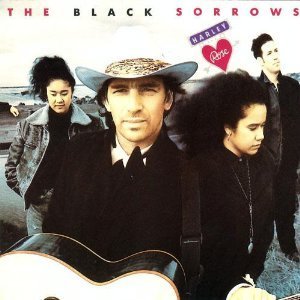
 View Artist