Song Meaning
The lyrics paint a picture of unavoidable trouble, presented with a disarming, almost folksy certainty. The narrator insists that the arrival of hardship is obvious, comparing it to a familiar landmark or a physical feature. This isn't a sudden shock; it's a creeping inevitability, something that will eventually grip you and refuse to release its hold. The initial tone is one of stark, almost blunt, clarity about an unpleasant truth.
The core tension lies in the confrontation with this inescapable difficulty. The narrator challenges the listener to examine it, to "hold it up to the mirror," suggesting a need for self-reflection and acknowledgment. Yet, the reflection isn't a true likeness of the self; it's a "bad likeness," implying a distorted or corrupted version brought about by the trouble. This disconnect highlights a sense of loss or alteration of identity under duress.
The most striking craft element is the juxtaposition of simple, almost childlike similes with the grim subject matter. Phrases like "cute little face" and "old Spanish church" ground the abstract concept of trouble in concrete, everyday imagery. This makes the impending doom feel both more tangible and more insidious, as if it's woven into the fabric of ordinary life. The contrast between the familiar and the ominous creates a unique unease.
Ultimately, the effectiveness of these lyrics stems from their directness and the unsettling blend of the mundane and the dire. The narrator offers no easy escape, only the grim advice to "take our medicine and hope for the best." This resignation, coupled with the stark, clear-eyed assessment of trouble's grip, creates a powerful, albeit bleak, emotional resonance. It’s a stark reminder that some things, once set in motion, are incredibly hard to reverse.
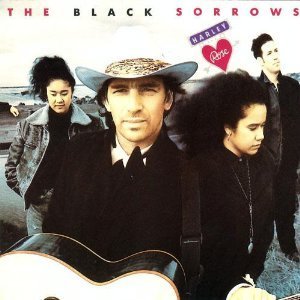
 View Artist