Song Meaning
The lyrics paint a picture of a young woman, a "country girl," trapped in a cycle of loneliness and unfulfilled desire. She prepares herself, donning familiar clothes and styling her hair, but the mirror reflects only "lonely nights and misery." This initial scene establishes a pervasive sense of stagnation and dissatisfaction, hinting that her outward appearance belies an inner emptiness.
The central tension arises from her desperate attempts to escape this isolation, contrasted with her apparent inability to connect. She calls boys, but they "just actin' like men," suggesting a superficiality or lack of genuine interest on their part, leading her to vow "never call again." The repeated phrase "Can't wait to get away" underscores her yearning for something more, a departure from her current circumstances, yet the details like "cheap scent and tight curls" and "pink lace and white pearls" suggest a somewhat predictable, perhaps even desperate, attempt at allure.
The most striking craft element is the juxtaposition of idealized imagery with stark reality. "Pink lace and white pearls" evokes a certain romantic or innocent ideal, but it's immediately undercut by "cheap scent and tight curls," grounding the fantasy in a less glamorous, perhaps even slightly sad, truth. The image of "yesterdays are comin' down like rain / On a smoky window pain" is particularly potent, visualizing her past regrets and present melancholy as an inescapable, blurring force that obscures any clear view of the future.
This lyrical construction is effective because it grounds the universal feeling of wanting more in specific, tangible details. The narrator isn't just sad; she's putting on the same dress, dialing the phone, and sitting in a cafe, actions that make her yearning feel immediate and relatable. The contrast between the outward presentation and the internal "misery" creates a poignant, almost heartbreaking portrait of someone trying to break free but finding herself repeatedly pulled back by circumstance and perhaps her own predictable patterns.
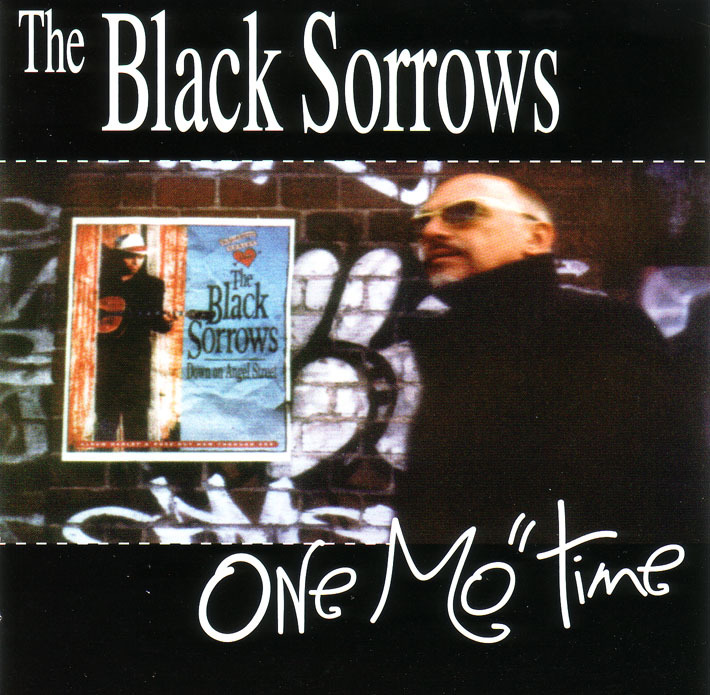
 View Artist