Song Meaning
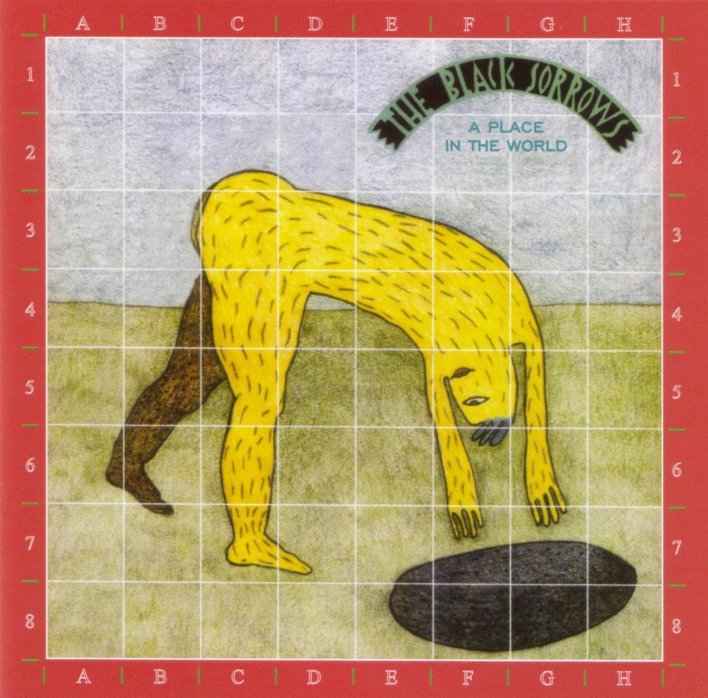
The lyrics paint a stark portrait of a woman adrift, her solitude underscored by the jarring sound of out-of-tune church bells. She moves with a practiced, almost performative grace, a stark contrast to the hidden 'tokens of love' locked away, relics of a past hope that has long since faded. The imagery of a 'distant shore' and a 'well dried up' powerfully conveys a sense of lost opportunity and irreversible decline, suggesting a profound emotional and spiritual emptiness that time has cemented.
The central tension lies in the commodification of her existence and the forced performance of normalcy. The narrator appears to be addressing the woman directly, urging her to 'put your best face on' and 'take your place in the world,' a command that feels hollow given the preceding descriptions. The transactional nature of her interactions, where 'young men can purchase her smiles' and 'their reputations grow,' highlights a deep cynicism, reducing genuine connection to a means of social advancement for others. This transactional dynamic is further emphasized by the casual discarding of 'lovers and dreams,' left 'where they lay.'
The most striking craft element is the juxtaposition of external societal expectation with internal desolation. The call to 'take your place in the world' clashes violently with the 'pitiful sights' she carries, enough to 'write a symphony,' and the 'treacherous nights' etched into her memory. These internal scars are presented as profound artistic material, yet the external pressure demands a polished facade. The line 'Vows made in bed, better left unsaid' serves as a bitter encapsulation of broken promises and the painful silence that follows disillusionment, hinting at a history of betrayal or failed intimacy.
This writing achieves its impact through a relentless focus on a specific, bleak reality, avoiding sentimentality. The effectiveness stems from its unflinching depiction of a woman navigating a world that demands she present a functional exterior while carrying immense internal damage. The lyrics don't offer solace but rather a raw, unsentimental observation of survival, making the forced optimism of 'take your place in the world' feel particularly poignant and tragic.
 View Artist