Song Meaning
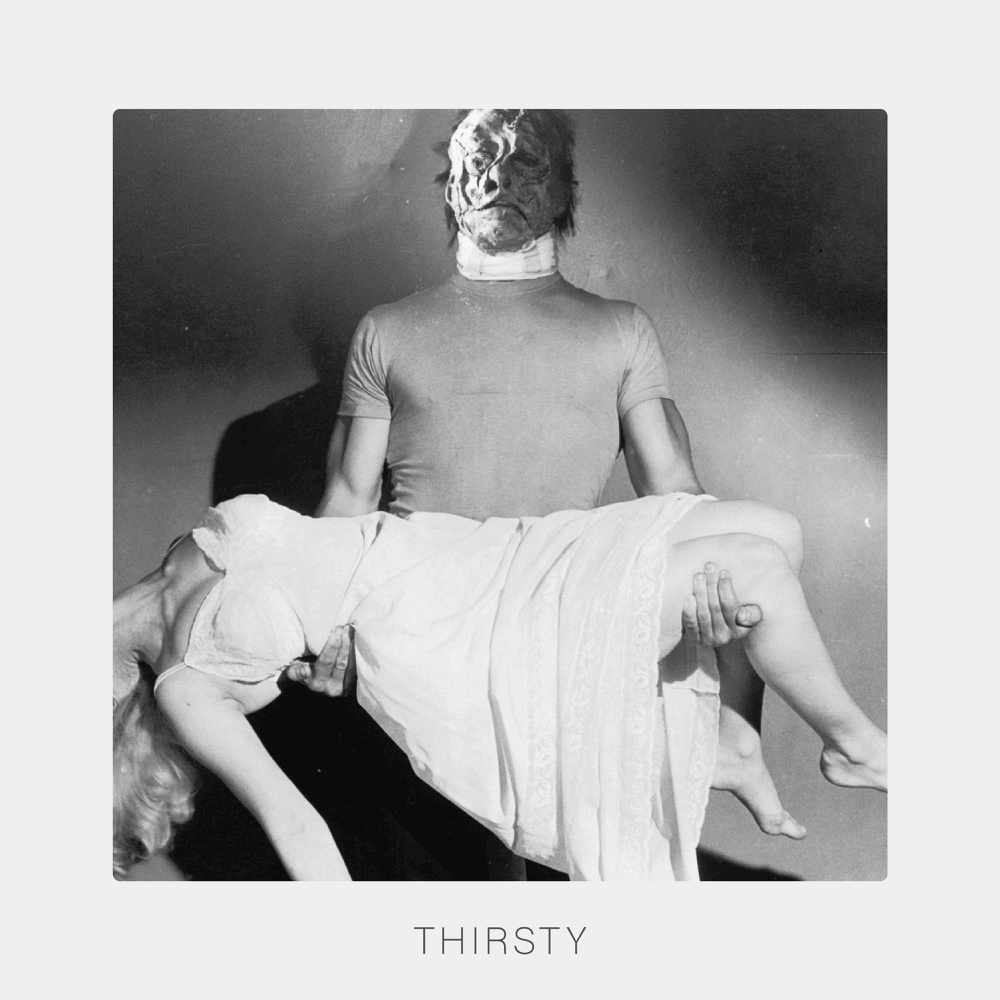
This track immediately sets a transactional, almost clinical tone, dismissing any notion of genuine affection. The narrator is clear: "I want five minutes, fifteen at most," framing the encounter as purely physical and fleeting. The focus is on the immediate, the tactile, and the absence of emotional investment, highlighted by the peculiar image of a "half-eaten hand" and the narrator's fascination with the other person's apparent indifference to it. It’s a stark, unromantic opening that grounds the entire narrative in a detached, pragmatic exchange.
The core tension here lies in the narrator’s explicit rejection of love while simultaneously offering a wide range of other services. "I’ll do anything but love, show me more," they state, creating a paradox. This isn't about connection; it's about fulfilling needs outside the realm of romance, even if it means taking someone who's been rejected elsewhere. The lyrics suggest a deliberate avoidance of emotional depth, preferring a superficial, yet intensely physical, interaction.
The most striking craft element is the narrator's self-awareness and their projection of it onto the other person. They admit, "You know I don't care either," acknowledging their own detachment while observing the other's. This shared lack of concern is central to their dynamic. The shift from "half-eaten hand" to "talk more" and then a demand to "at least cry" and "be human" reveals a complex, almost cruel, manipulation, pushing the other person to display vulnerability that the narrator themselves refuses to engage with.
What makes these lyrics so potent is their unflinching portrayal of a relationship devoid of tenderness. The narrator’s bluntness, coupled with the specific, almost jarring imagery, creates a raw, uncomfortable intimacy. It’s effective because it forces the listener to confront a transactional dynamic that, while explicitly stated, still carries an undercurrent of emotional consequence for the person being used. The final plea to "be human" is particularly cutting, implying the other person is currently less than that, a chilling testament to the narrator's power in-the-moment control.
 View Artist