Song Meaning
The narrator declares a defiant, almost masochistic devotion, proclaiming, "I'm so above you and it's plain to see / But I came to love you anyway." This sets up a central tension: a clear-eyed awareness of a partner's perceived inferiority or distance, coupled with an undeniable pull towards them. The willingness to have their "heart pulled out" and "bleed" underscores a profound, perhaps irrational, commitment that transcends logic or self-preservation. The repeated phrase "keep me waitin'" becomes the defining characteristic of this relationship, a constant state of anticipation and unfulfillment.
The lyrics paint a picture of a love that is inherently unbalanced and potentially damaging. The narrator acknowledges a difficult past for the object of affection, noting "your mama kept you but your daddy left you," and even suggests they "shoulda done you just the same." This hints at a shared understanding of abandonment or neglect, but instead of creating distance, it seems to forge a bond. The question "was I born to bleed?" reveals a deep-seated resignation, an acceptance of pain as an intrinsic part of this love. The core of the song is this paradox: a love that is recognized as potentially harmful, yet embraced with a stubborn, almost desperate loyalty.
The most striking element is the relentless repetition of "waitin', waitin', waitin'" and the chorus "I got a love that keeps me waiting." This isn't just about patience; it's about a perpetual state of being on hold, of deferred gratification that may never arrive. The simple, almost childlike declaration "I'm a lonely boy", repeated after the chorus, acts as a stark emotional anchor. It cuts through the defiance and resignation, revealing the raw vulnerability beneath the surface. This isn't a proud loneliness, but a quiet, persistent ache that defines the narrator's experience of love.
Ultimately, the effectiveness of these lyrics lies in their unflinching portrayal of a love that is both self-aware and self-destructive. The narrator doesn't sugarcoat the situation, acknowledging the pain and the waiting, yet they remain tethered. The raw honesty of "I don't mind bleedin'" and the simple, poignant label "lonely boy" resonate because they capture the complex, often illogical ways people hold onto connections, even when those connections leave them perpetually waiting.
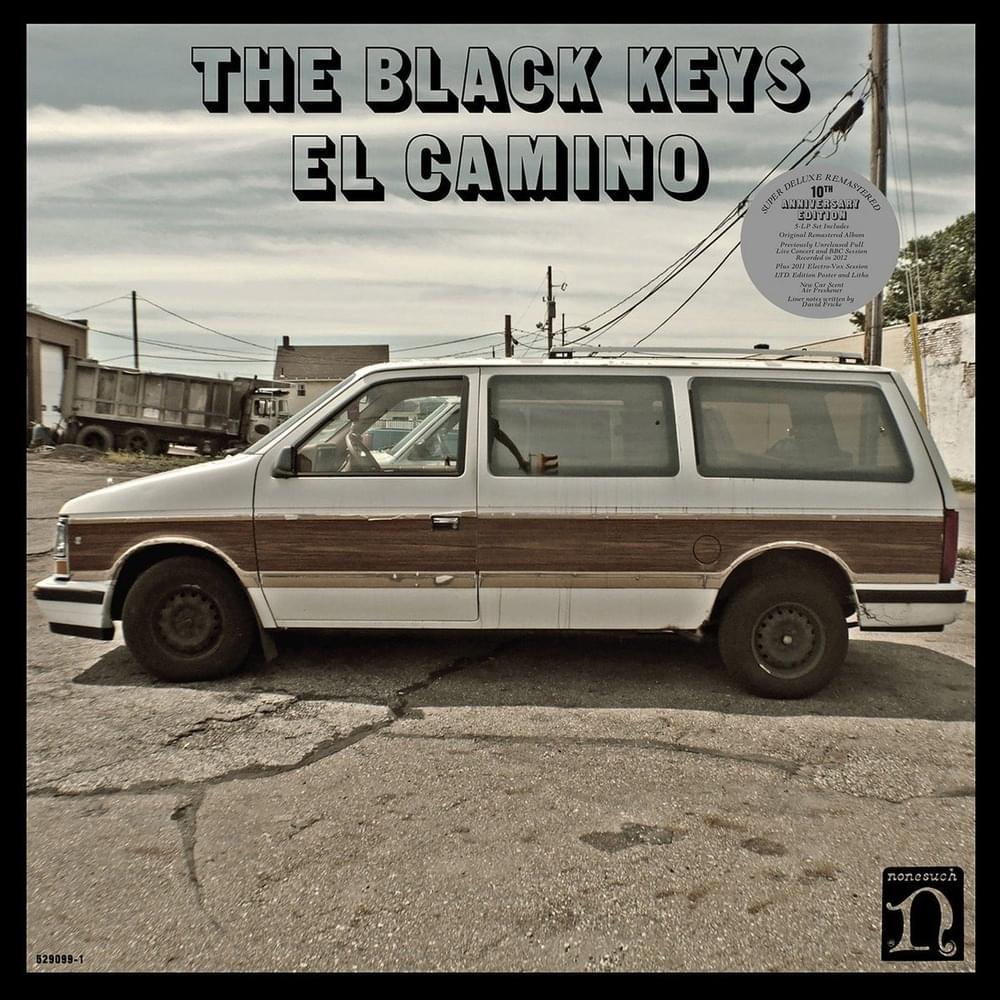
 View Artist