Song Meaning
The lyrics paint a stark picture of a relationship's bitter end, contrasting outward appearances with inner rot. The opening lines set a deceptive tone: one person is "clean as a whistle, smelling like a rose," yet possesses "dirty little fingers." This immediate juxtaposition hints at a hidden corruption beneath a polished surface, a theme amplified by the accusation "Tell me I'm wrong." The repetition of "Twice as hard, as it was the first time, I said goodbye" underscores the immense difficulty and pain of this second, definitive departure, suggesting a cycle of hurt that has made this final act exponentially more arduous.
The central tension arises from a perceived betrayal and the narrator's struggle to articulate the depth of the damage. The line "love ain't funny" coupled with "A crime in the wink of an eye" frames the relationship's demise not as a simple breakup, but as a sudden, almost criminal act that has left the narrator reeling. The introduction of a "sister" figure, described as playing the "step child" with a "broken little memory" and a heart that "was never kind," adds another layer of complexity, perhaps suggesting inherited or familial patterns of behavior that contribute to the relationship's downfall. The narrator's plea "Tell me I'm blind" further emphasizes their feeling of being deceived or unable to see the truth until it was too late.
The most striking element of the craft is the relentless, almost mantra-like repetition of the chorus. This isn't just a musical hook; it's a sonic manifestation of the narrator's obsessive replaying of the painful goodbye, each iteration amplifying the weight of the decision. The contrast between the initial, perhaps naive, first goodbye and this "twice as hard" iteration highlights a profound shift in the narrator's understanding and emotional state. The lyrics masterfully use simple, direct language to convey a complex emotional landscape, making the pain feel immediate and visceral.
Ultimately, these lyrics hit hard because they capture the exhausting, soul-crushing effort required to extricate oneself from a deeply damaging situation, especially when deception has been involved. The raw, unadorned language and the insistent rhythm of the repeated chorus create a sense of inescapable finality. It’s the feeling of having to fight a battle you thought you’d already won, only to find it’s become twice as devastating.
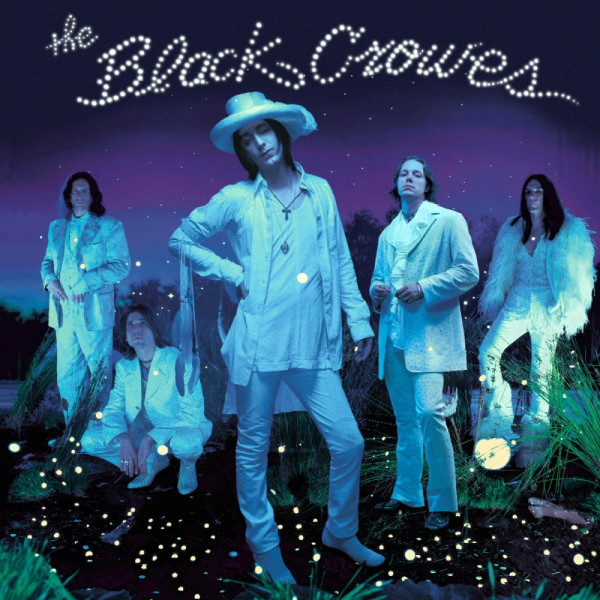
 View Artist