Song Meaning
The narrator’s world is thrown into disarray by a loved one’s profound sadness, so deep it affects even the animals. The imagery of dogs howling and a "sad bird" paints a picture of pervasive melancholy. This emotional turmoil is amplified by a sense of betrayal and neglect; the loved one kept a ring but broke a vow, and when they were near death, no one offered aid. This neglect feels like a "crime" that the narrator desperately wants to see addressed, but the legalistic language of "trial" clashes with the personal agony.
The central tension lies in the narrator’s inability to escape the overwhelming emotional burden of this situation. The repeated refrain, "My heart's killing me," isn't just about heartbreak; it’s an active, physical torment caused by an inescapable "love." This love is presented as a force that "won't let me be," trapping the narrator in a cycle of pain and longing. The stark declaration, "It's just you, it's just me," isolates them further, suggesting a shared, yet deeply lonely, experience.
The lyrics masterfully use contrast and stark imagery to convey this distress. The desire to "hold you again" stands in sharp opposition to the helplessness of "two helpless hands" and the inability to "love" or mount a "defense." This helplessness is palpable, a direct result of the emotional weight the narrator carries. The external world, from the howling dogs to the lone bird on a fence, mirrors this internal desolation, making the personal pain feel vast and inescapable.
Ultimately, the effectiveness of these lyrics stems from their raw, almost visceral depiction of emotional suffering. The narrator isn't just sad; they are being actively destroyed by their love and the circumstances surrounding it. The blend of accusatory language about the "crime" and the desperate plea to "hold you again" creates a complex portrait of someone consumed by grief, betrayal, and an unyielding, painful connection.
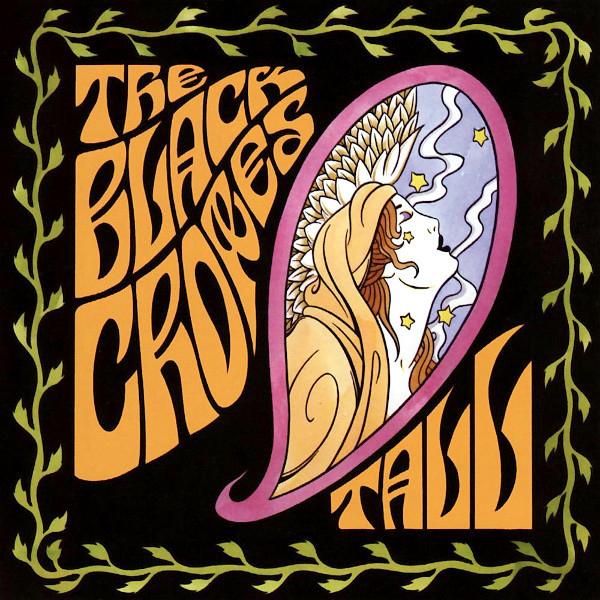
 View Artist