Song Meaning
The lyrics paint a chilling picture of impending doom, framed by a paternalistic, almost manipulative, warning. The repeated phrases "Do whatcha should, honey" and "Be a good girl, darlin'" establish a tone of enforced obedience, immediately juxtaposed with the stark threat: "'Cause you'll meet the executioner one day." This creates an unsettling tension between the demand for compliance and the inevitable, grim consequence.
The central conflict seems to be between societal expectations of purity or correctness and the primal urge to experience pleasure, represented by the recurring refrain "If it feels good / Do it again." This suggests a struggle against repression, where indulging in desires leads directly to a punitive reckoning. The lyrics imply that the "executioner" is a force that punishes any deviation from a prescribed path, regardless of the perceived innocence or enjoyment of the act.
The most striking aspect is the dehumanization of the "executioner." Described with "empty eyes" and a "waterin' mouth waiting to / Kill," this figure is presented as an unfeeling, predatory force. The lyrics emphasize its lack of empathy: "feels no pain / He couldn't care less for you / Or to whom you pray." This cold, detached nature amplifies the terror, as there's no appeal or mercy to be found, only a predetermined, inevitable end.
Ultimately, the effectiveness of these lyrics lies in their stark, almost fable-like simplicity and the potent imagery of inescapable judgment. The contrast between the saccharine "honey" and "darlin'" and the brutal finality of the "executioner" creates a deeply unsettling atmosphere. The cyclical nature of the "If it feels good / Do it again" and the finality of "For you met the executioner today" leaves the listener with a sense of dread and the chilling implication that the pursuit of pleasure is inherently a fatal sin.
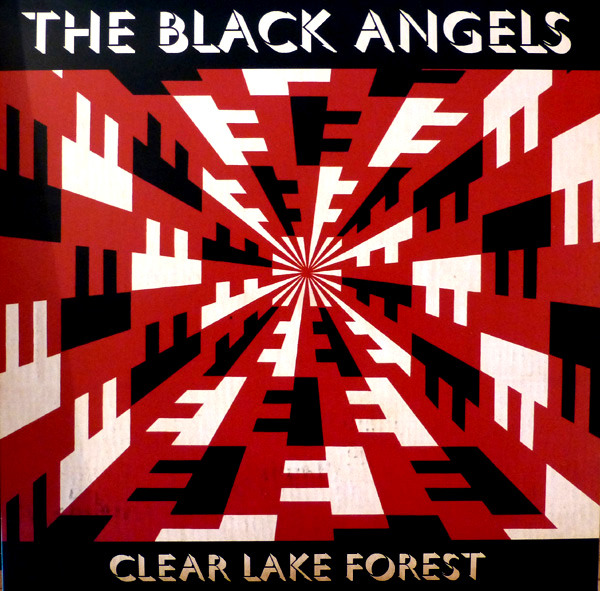
 View Artist