Song Meaning
The lyrics paint a picture of a narrator grappling with a shift in perception, moving from a state of passive observation to active change. Initially, the narrator seems to be surrounded by different types of men – wise, fine, and shy – who embody distinct modes of being, from silent wisdom to hesitant interaction. The repetition of "Shy men meet me by the window" suggests a recurring, perhaps intimate, but also guarded connection.
The central tension emerges as the narrator declares, "By then, and now I'm changing." This marks a departure from the passive roles described earlier. The contrast between "Wise men walk without seeing" and "Blind men see without seeing" hints at a deeper, internal understanding that transcends physical sight, a concept the narrator is beginning to internalize. The shift from "meet me" to "greet me" and then "wake me" as the shy men interact with the narrator signifies an increasing intimacy and a more profound awakening.
The most striking craft element is the deliberate juxtaposition of contrasting states of being and the subtle escalation of interaction. The opening lines establish a series of archetypes, but the narrator's own declaration of change and the evolving nature of the shy men's approach – from meeting by the window to waking the narrator – highlight a personal transformation. The phrase "I live without thinking" at the end, following the awakening, suggests a leap into instinct or a new, perhaps less analytical, mode of existence.
This lyrical construction is effective because it mirrors an internal process of awakening through subtle shifts in language and recurring imagery. The ambiguity of the "shy men" and their evolving interactions creates a sense of mystery and personal discovery. The narrator's movement from observing others' ways of being to declaring their own change makes the internal shift feel earned and significant, resonating with anyone experiencing a personal evolution.
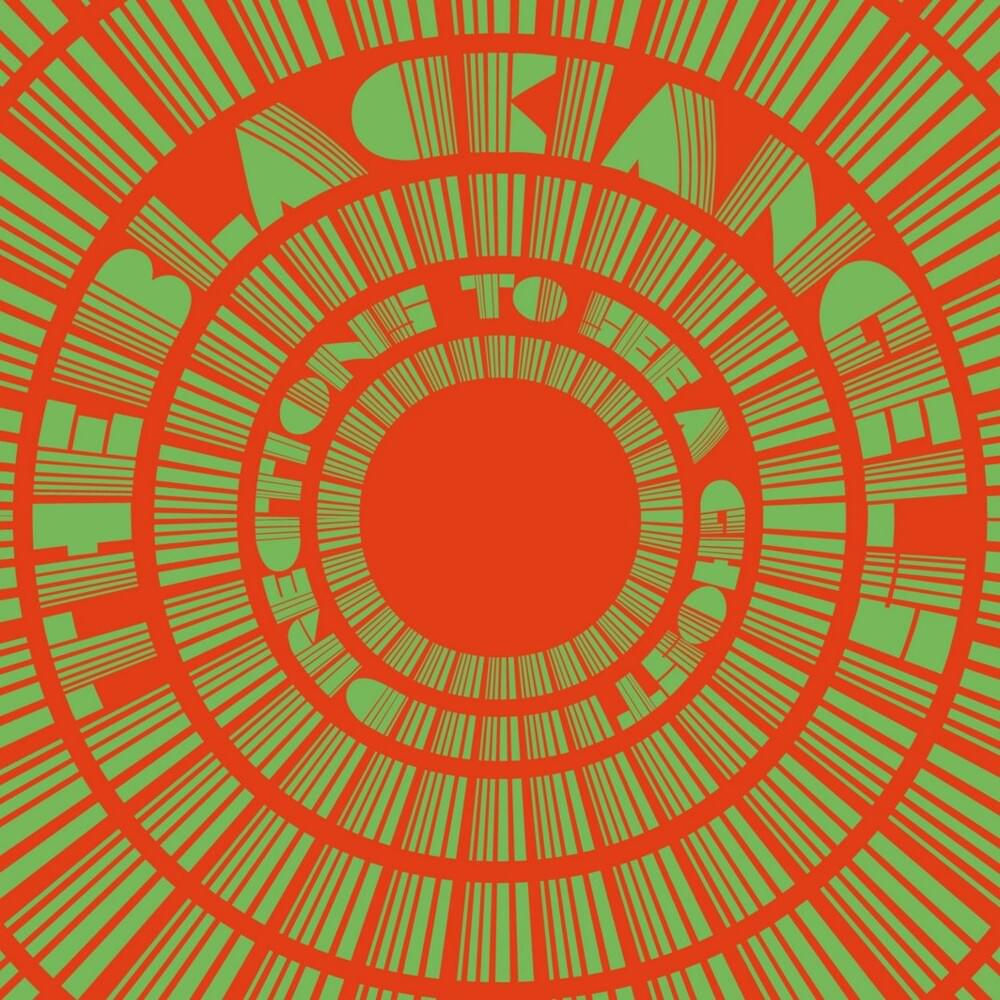
 View Artist