Song Meaning
The lyrics paint a picture of a transactional relationship, framed by material desires and a clandestine arrangement. The narrator repeatedly states, "What you need is a sugar daddy," immediately listing symbols of wealth like "diamond rings and a brand new caddy." This establishes a clear, if somewhat cynical, premise: love or affection is to be bought with luxury. The narrator positions himself as the provider, capable of fulfilling these material wants, suggesting that these are the primary drivers for the person he's addressing.
The central tension arises from the contrast between the recipient's apparent independence and her underlying desire for material security. The narrator observes, "You are the kind of a woman / That likes to be on her own," yet immediately pivots to the idea that "those times you need a man on that, love." This suggests a duality: a self-sufficient facade masking a need for a provider, especially one who can offer "the finer things." The narrator's own desire is tied to this dynamic, noting, "I like the way your body sings / I love the fire in your eyes," implying a personal attraction that fuels his willingness to be the "sugar daddy."
The most striking aspect of the craft is the narrator's framing of the relationship as a "secret" and a "private affair." He promises to elevate his partner "so high / They won't dare to look down" if her friends discover their arrangement. This language of protection and elevation, juxtaposed with the transactional nature of "sugar daddy," creates an interesting dynamic. It suggests that while the relationship is built on material exchange, there's also an element of pride and possessiveness from the narrator, who wants to shield his acquisition from judgment and elevate her status within their hidden world.
Ultimately, the lyrics resonate because they articulate a specific, albeit morally ambiguous, form of connection. The effectiveness lies in the narrator's direct, almost business-like approach to desire and provision. He doesn't shy away from the transactional nature, instead embracing it and promising a certain kind of devotion – one that comes with material security and a protected, elevated status. The repeated phrase "What you need" acts as a mantra, reinforcing the narrator's perceived understanding of the recipient's deepest desires.
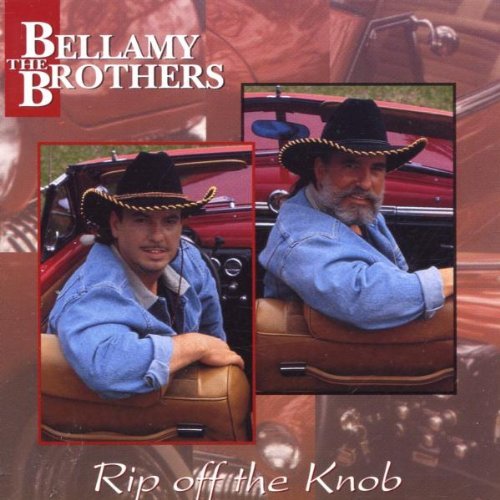
 View Artist