Song Meaning
The lyrics paint a picture of profound emotional struggle, a deep-seated pain and emptiness that the narrator desperately wants to escape. There's a yearning for freedom, not just for themselves, but specifically for a shared future with someone they cherish. This desire for liberation is contrasted with a present state of being trapped, unable to fully appreciate the "preciousness" of their connection, suggesting a significant internal or external obstacle.
The central tension lies in the narrator's confusion and despair over their current predicament, encapsulated by the repeated refrain, "And i don't know why the reason is that we are both here." This isn't just about personal suffering; it's about a shared existence that feels wrong or incomplete, a paradox where impending freedom seems to bypass them. The narrator dreams of a future "for you and i to live," a place where their love can endure beyond death, highlighting the depth of their commitment against the backdrop of present dissatisfaction.
The most striking aspect is the shift from despair to a nascent hope. After wrestling with the "pain and emptiness," the narrator experiences a breakthrough: "Now i know the way i wan't to give it to you / And where-ever i go i wan't to take you there." This signifies a newfound clarity and purpose, a decision to actively pursue the shared future they've been dreaming of. The final lines, "And time it passes by but we are not to fear," suggest that this internal shift has brought a sense of peace, allowing them to face the passage of time together without dread.
This lyrical arc is effective because it grounds abstract feelings of pain and longing in concrete desires for shared experience and freedom. The repetition of the central question creates a sense of persistent unease, making the eventual discovery of a path forward feel earned and deeply resonant. It’s this movement from confusion to conviction, driven by a powerful love, that gives the song its emotional weight.
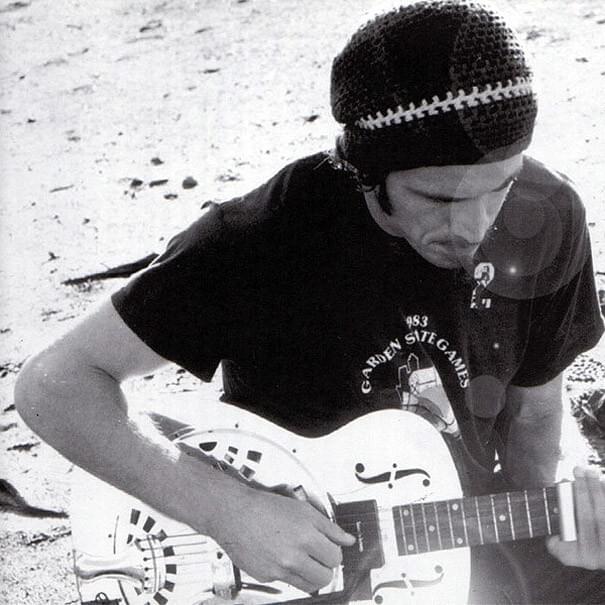
 View Artist