Song Meaning
The lyrics paint a vivid, almost cinematic picture of impending doom, starting with ominous natural signs. "Storm clouds gathering high" and the "Dark Queen cry" establish a supernatural atmosphere, immediately signaling that something malevolent is on the horizon. The repeated warning, "But you better watch out when the devil rides out," acts as a primal, urgent refrain, hammering home the sense of dread and the need for vigilance against an encroaching evil.
The central tension lies in the inevitable arrival of this dark force and the helplessness it inspires. The imagery shifts to a more primal, almost folkloric scene with "Witches, warlocks, demons, back to the trees," suggesting a return to ancient, untamed powers. This is juxtaposed with the chilling psychological impact: "You can't disguise the fear that chews your very soul." The lyrics don't just describe an external threat; they focus on the internal terror it unleashes, making the danger feel deeply personal and inescapable.
The craft here is in the relentless build-up and the stark, almost elemental imagery. The repetition of the core warning creates a hypnotic, inescapable rhythm, mirroring the inexorable approach of the devil. The contrast between the grand, cosmic signs of the storm and the intimate, visceral "fear that chews your very soul" amplifies the sense of overwhelming power. The sudden appearance of the "Winged black charger" feels like the final, terrifying arrival, leaving the listener with a sense of dread and finality.
This lyrical construction is effective because it taps into a primal fear of the unknown and the uncontrollable. The direct, unadorned warnings and the stark, powerful images create an immediate emotional response. The focus isn't on a complex narrative but on the raw feeling of being overwhelmed by a force far greater than oneself, making the simple, repeated warning resonate with a visceral, almost instinctual dread.
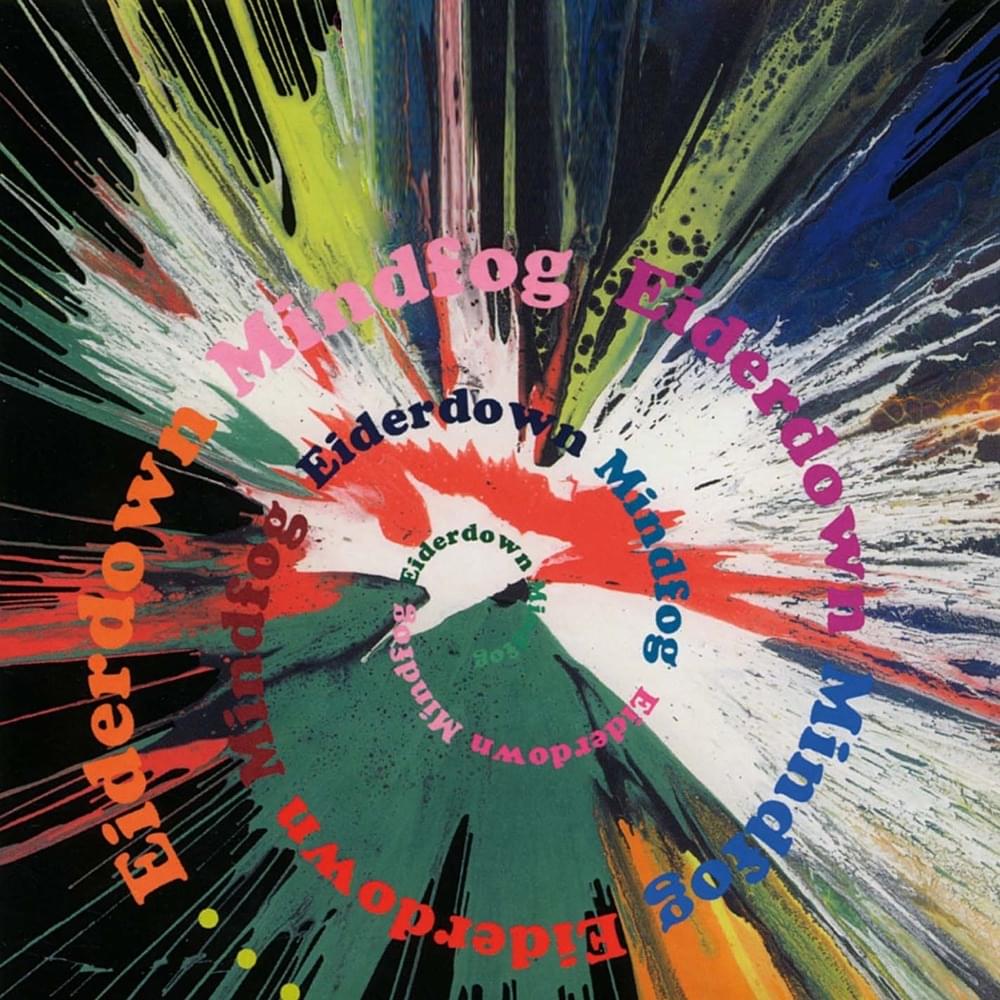
 View Artist